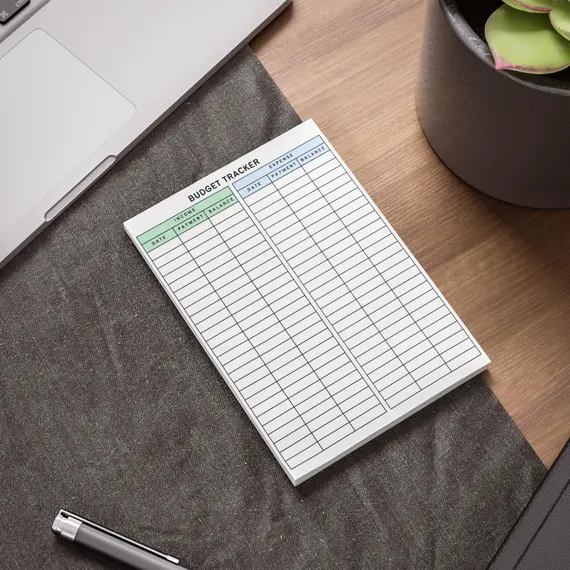
Building a monthly budget doesn’t have to be complicated. If you’ve been putting it off because it feels overwhelming, this simple step-by-step template will help you get started.
In this guide, you’ll learn exactly how to create a realistic monthly budget that fits your income and lifestyle.
If you’re completely new to budgeting, start with our guide on how to start budgeting when you have no idea where to begin.
Step 1: Calculate Your Monthly Income
Start by calculating your total take-home income for the month. This includes your salary after taxes and any additional income sources.
If your income varies, use the average of your last three months to create a stable estimate.
Step 2: List Your Fixed Expenses
Fixed expenses are costs that stay mostly the same every month.
Examples include:
- Rent or mortgage
- Utilities
- Insurance
- Loan payments
- Subscriptions
Add these together to understand your minimum monthly obligations.
Step 3: Estimate Variable Expenses
Variable expenses change from month to month.
These include:
- Groceries
- Gas
- Dining out
- Entertainment
- Personal spending
Review past bank statements to get realistic numbers rather than guessing.
Step 4: Set Savings Goals First
Before spending what remains, decide how much you want to save.
This may include:
- Emergency fund contributions
- Retirement savings
- Extra debt payments
Pay yourself first whenever possible.
You can also use the 50/30/20 budget rule as a simple structure for dividing your income.
Step 5: Create a Simple Budget Template
You can organize your budget in a simple format:
Income
– Fixed Expenses
– Variable Expenses
– Savings
= Remaining Balance
A spreadsheet or even a notebook works perfectly. The goal is clarity, not perfection.
Example Monthly Budget
Income: $4,000
Rent: $1,400
Utilities: $250
Groceries: $500
Transportation: $300
Insurance: $200
Savings: $600
Personal spending: $400
Other expenses: $350
Step 6: Track and Adjust Weekly
Your first monthly budget will not be perfect, and that’s normal.
Review your spending weekly and make small adjustments. Over time, budgeting becomes easier and more accurate.
Building a simple monthly budget is about understanding your money, not restricting it.
Start small, stay consistent, and refine your system each month. Financial confidence comes from clarity and action.
About the Author
Hi, I’m Akhila. I created Budgeting Made Simple to help beginners build clear, practical money systems without feeling overwhelmed.
My goal is to simplify budgeting, saving, and debt payoff into steps anyone can follow consistently. Personal finance doesn’t need to be complicated — it just needs structure and clarity.
Leave a Reply