Category: Budgeting Basics

Budgeting Basics is where beginners can learn simple, practical systems to take control of their money. These guides explain how to start budgeting, build a monthly budget, follow the 50/30/20 rule, and manage money even on a low income.

  • Free Monthly Budget Template (Printable)

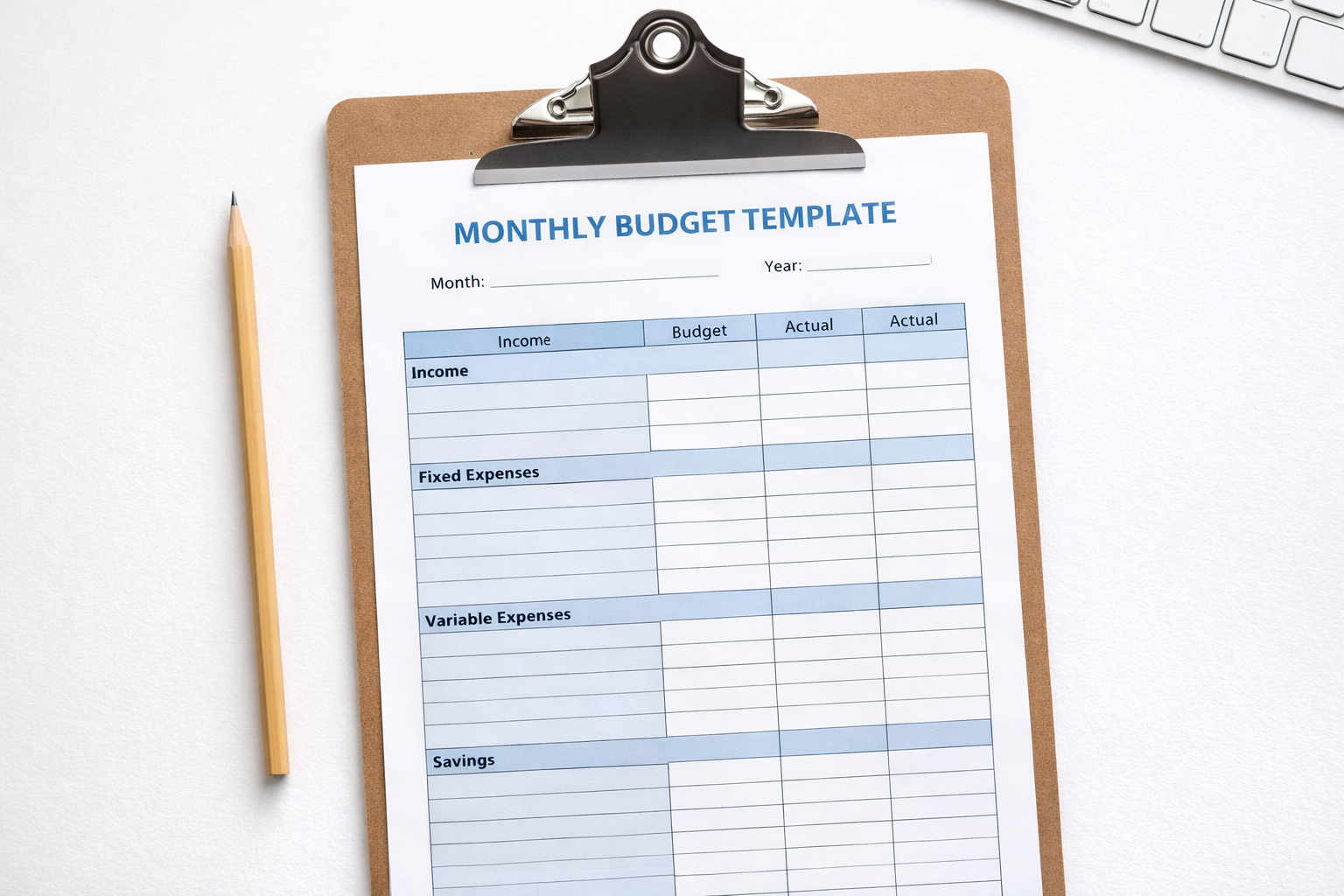
    Free Monthly Budget Template (Printable)

    Creating a monthly budget is one of the simplest ways to take control of your finances. But many people struggle because they don’t know where to start or what categories to include. If you’re completely new to budgeting, start with our Beginner’s Guide to Budgeting before using a template.

    A monthly budget template makes the process much easier. Instead of building a budget from scratch, you can simply fill in your numbers and see exactly where your money is going.

    In this guide, you’ll learn what a monthly budget template should include, how to use one, and how it can help you stay consistent with your financial goals.

    Why a Monthly Budget Template Helps

    A monthly budget template removes the guesswork from budgeting. Instead of wondering how to organize your finances, the structure is already built for you.

    Using a template helps you:

    • Track your income and expenses clearly
    • See where your money is going each month
    • Avoid overspending in certain categories
    • Stay consistent with your budgeting habits

    If you’re new to budgeting, starting with a template can make the process much less overwhelming.

    What Should Be Included in a Budget Template

    A simple monthly budget template should include the main categories most people spend money on.

    Common categories include:

    Income
    This includes your paycheck, freelance income, side hustles, or any other money you receive.

    Housing
    Rent or mortgage payments, property taxes, and home maintenance.

    Utilities
    Electricity, water, internet, phone bills, and other household services.

    Food
    Groceries and dining out.

    Transportation
    Gas, public transportation, car payments, and insurance.

    Savings
    Emergency fund contributions, retirement savings, and other financial goals.

    Personal Spending
    Entertainment, subscriptions, shopping, and hobbies.

    If you’re unsure how to organize your expenses, check out our full guide on budget categories to structure your budget properly.

    Simple Monthly Budget Example

    Here is a very simple example of how a monthly budget might look.

    Monthly Income: $4,000

    Housing: $1,400
    Utilities: $250
    Food: $500
    Transportation: $300
    Savings: $800
    Personal Spending: $450
    Other Expenses: $300

    Total Expenses: $4,000

    This type of structure helps ensure that every dollar has a purpose. Many people use systems like zero-based budgeting or the 50/30/20 rule to organize their spending.

    How to Use a Monthly Budget Template

    Using a budget template is straightforward.

    Step 1: List your total monthly income
    Start by writing down the total money you expect to receive during the month.

    Step 2: Add your fixed expenses
    These include rent, insurance, loan payments, and subscriptions.

    Step 3: Estimate variable expenses
    Groceries, transportation, and entertainment may change from month to month.

    Step 4: Allocate money toward savings
    Set aside money for emergency savings or other financial goals.

    Step 5: Review your budget regularly
    At the end of the month, compare your planned spending to what you actually spent.

    Tips for Sticking to Your Budget

    Creating a budget is only the first step. The real challenge is staying consistent with it.

    Here are a few tips to make budgeting easier:

    Keep your budget simple so it’s easy to follow.

    Review your spending weekly instead of waiting until the end of the month.

    Adjust categories when your expenses change.

    Focus on progress rather than perfection. Budgeting is a skill that improves over time.
    A monthly budget template can make managing your finances much simpler. By organizing your income and expenses in one place, you can clearly see where your money is going and make better financial decisions.

    If you’re just starting your budgeting journey, using a simple template is one of the easiest ways to build a consistent financial routine.

    If you prefer tracking money week by week, you may also want to try using a weekly budget template to stay organized.


    About the Author

    Hi, I’m Akhila. I created Budgeting Made Simple to help beginners build clear, practical money systems without feeling overwhelmed.

    My goal is to simplify budgeting, saving, and debt payoff into steps anyone can follow consistently. Personal finance doesn’t need to be complicated — it just needs structure and clarity.
  • Budgeting for Beginners: The Complete Guide

    Budgeting for Beginners: The Complete Guide

    If you’ve never created a budget before, the process can feel confusing and overwhelming. Many people think budgeting means giving up everything they enjoy, but in reality a good budget simply helps you control where your money goes.

    Budgeting is one of the most powerful tools for improving your financial life. It allows you to track spending, reduce stress about money, and start saving for the future.

    In this beginner’s guide, you’ll learn what budgeting is, why it matters, and how to start your first budget step by step.

    What Is Budgeting?

    Budgeting is the process of planning how you will spend and save your money each month.

    Instead of wondering where your paycheck went, a budget helps you decide in advance how every dollar will be used. This includes covering your needs, spending on things you enjoy, and setting money aside for savings.

    Many beginners assume budgeting is complicated, but it can actually be very simple once you understand the basics.

    If you are completely new to budgeting, read:
    How to Start Budgeting When You Have No Idea Where to Begin

    Why Budgeting Matters

    Without a budget, it’s easy for money to disappear without realizing where it went.

    A budget helps you:

    • Track spending
    • Avoid unnecessary debt
    • Build savings
    • Reach financial goals
    • Reduce financial stress

    Even a simple monthly budget can make a huge difference in your financial stability.

    Simple Budgeting Methods

    One popular approach is the 50/30/20 budgeting rule, which divides income into needs, wants, and savings.

    • 50% for needs
    • 30% for wants
    • 20% for savings

    Zero-Based Budgeting

    Zero-based budgeting means assigning every dollar a job until your income minus expenses equals zero.

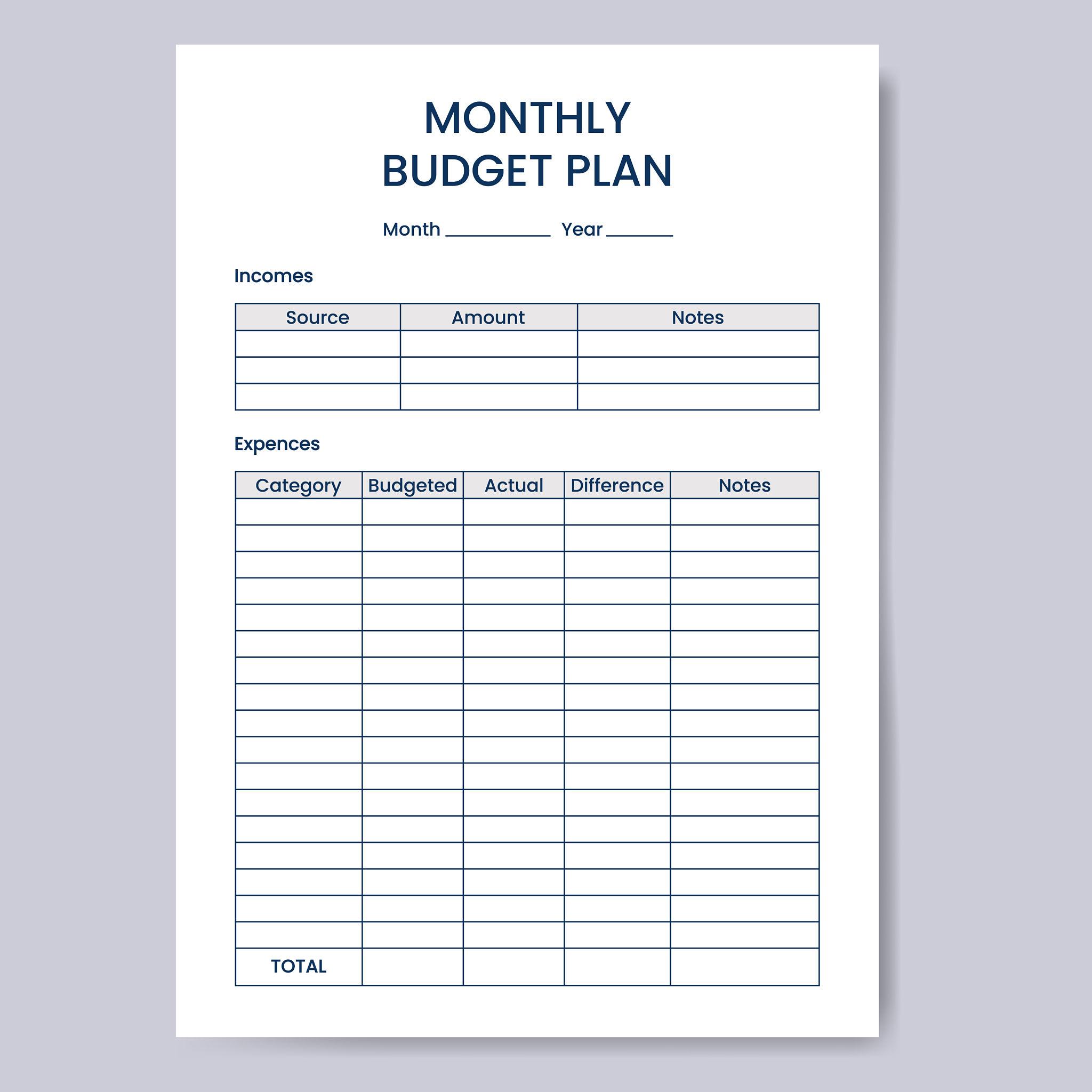
    Simple Monthly Budget

    Many beginners start with a simple monthly budget that lists income, expenses, and savings.

    Common Beginner Budgeting Mistakes

    Many beginners struggle with budgeting because they make a few common mistakes.

    Examples:

    • Making the budget too strict
    • Forgetting irregular expenses
    • Not tracking spending
    • Giving up too quickly

    How to Start Budgeting Today

    Starting a budget does not need to be complicated.

    Follow these simple steps:

    • Track your spending each month
    • Calculate your monthly income
    • List your essential expenses – One of the easiest ways to organize your spending is by using clear budget categories. If you’re not sure what categories to include, check out this guide: Budget Categories List (The Simple Way to Organize Your Budget).
    • Add spending categories
    • Set a savings goal

    Budgeting is one of the most important financial habits you can build.

    The sooner you start managing your money with a simple budget, the easier it becomes to save, reduce stress, and achieve your financial goals.

    Even small changes in how you manage your money today can make a big difference in the future.

    The key is to start small, stay consistent, and adjust your budget as your financial situation changes.


    About the Author

    Hi, I’m Akhila. I created Budgeting Made Simple to help beginners build clear, practical money systems without feeling overwhelmed.

    My goal is to simplify budgeting, saving, and debt payoff into steps anyone can follow consistently. Personal finance doesn’t need to be complicated — it just needs structure and clarity.
  • Zero Based Budgeting Explained for Beginners (Simple Guide)

    Zero Based Budgeting Explained for Beginners (Simple Guide)

    Zero-based budgeting is one of the simplest and most effective budgeting methods for taking control of your money.

    Unlike traditional budgeting, where money may sit unassigned, a zero-based budget gives every dollar a job. This means every dollar of income is planned before the month begins.

    By the end of the budgeting process, your income minus expenses equals zero. That doesn’t mean you spend everything—it means every dollar is assigned to spending, saving, or investing.

    For beginners who want to take control of their finances, zero-based budgeting can be a powerful and practical system.

    What Is Zero-Based Budgeting and How Does It Work?

    A zero-based budget means your income minus your spending, saving, and giving equals zero.

    Income − Expenses − Savings − Giving = $0

    This doesn’t mean you spend all your money. It simply means every dollar of income is assigned a specific purpose.

    Zero-based budgeting is a budgeting method where every dollar of income is assigned to a specific category until the remaining balance equals zero.

    For example, if you earn $3,000 per month, you allocate that entire $3,000 across different categories such as:

    • Housing
    • Groceries
    • Transportation
    • Savings
    • Debt payments
    • Personal spending

    The goal is simple: every dollar has a purpose.

    This approach helps eliminate unnecessary spending and ensures that important priorities like saving and debt repayment are not forgotten.

    If you’re just starting your budgeting journey, you may also want to read How to Start Budgeting When You Have No Idea Where to Begin to learn the basics first.

    How Zero-Based Budgeting Works

    The process is straightforward and can be done using a spreadsheet, budgeting app, or even a simple notebook.

    Step 1: Calculate your total monthly income.

    Include all sources of income such as salary, side income, or freelance work.

    Step 2: List all of your monthly expenses.

    This includes fixed expenses like rent and utilities as well as variable expenses such as groceries and entertainment.

    Step 3: Assign every dollar to a category.

    Continue allocating money to each expense category until your income minus expenses equals zero.

    Step 4: Track your spending throughout the month.

    Tracking helps you stay within the limits you set for each category.

    If you’re unsure how to organize categories, check out Budget Categories List: The Simple Way to Organize Your Budget.

    Zero-Based Budgeting Example

    Here is a simple example of how a zero-based budget might look.

    Monthly income: $3,000

    Housing: $1,200
    Groceries: $350
    Transportation: $200
    Utilities: $250
    Insurance: $150
    Savings: $400
    Entertainment: $200
    Miscellaneous: $250

    Total expenses: $3,000

    Every dollar has been assigned a purpose, so the remaining balance is zero.

    In a zero-based budget, total income minus total expenses equals zero.

    This structure helps you clearly see where your money is going each month.

    Benefits of Zero-Based Budgeting

    Zero-based budgeting has several advantages for beginners. According to research from the Consumer Financial Protection Bureau, creating a budget helps households better manage spending and avoid financial stress.

    First, it gives you complete control over your money. Instead of wondering where your income went, you decide in advance where it should go.

    Second, it encourages intentional spending. When every dollar has a job, unnecessary expenses become easier to spot and eliminate.

    Third, it helps prioritize financial goals. Savings, investments, and debt repayment can be planned from the start instead of being an afterthought.

    Many people combine this method with simple budgeting rules like the 50/30/20 budget rule, which you can learn about in The 50/30/20 Budget Rule Explained (With a Real Life Example).

    How Beginners Can Start a Zero-Based Budget

    If you’re new to budgeting, you don’t need complicated tools to get started.

    Begin by writing down your monthly income and listing your main expenses.

    Next, divide your income across categories such as housing, food, transportation, savings, and personal spending.

    Your goal is to assign every dollar until the remaining balance reaches zero.

    Over time, you can adjust your categories as you learn more about your spending habits.

    Consistency is more important than perfection when building a budgeting habit.

    Zero-based budgeting is a powerful method for anyone who wants to take control of their finances.

    By assigning every dollar a purpose, you can build better financial habits, reduce unnecessary spending, and make steady progress toward your financial goals.

    Even if you’re completely new to budgeting, this method provides a clear and simple framework for managing your money.

    If you’re new to budgeting, start with How to Build a Simple Monthly Budget to learn the basics of creating a monthly plan.


    About the Author

    Hi, I’m Akhila. I created Budgeting Made Simple to help beginners build clear, practical money systems without feeling overwhelmed.

    My goal is to simplify budgeting, saving, and debt payoff into steps anyone can follow consistently. Personal finance doesn’t need to be complicated — it just needs structure and clarity.

  • Budget Categories List (The Simple Way to Organize Your Budget)

    Budget Categories List (The Simple Way to Organize Your Budget)

    One of the biggest reasons people struggle with budgeting is they don’t know what categories to include. A budget categories list makes it much easier to organize your spending.

    If your budget is too vague, it’s hard to see where your money is actually going.

    The good news is that budgeting categories don’t need to be complicated. In fact, the simpler your system is, the easier it becomes to stick with your budget long term.

    In this guide, you’ll learn the most important budget categories, how to organize them, and how to build a budget that actually works for real life.

    If you’re new to budgeting, start with my guide on how to start budgeting when you have no idea where to begin.

    Why Budget Categories Matter

    Budget categories help organize your money so you know exactly where your income is going each month.

    Without categories, budgeting becomes confusing and difficult to manage.

    Categories help you:

    • Track spending
    • Identify problem areas
    • Control overspending
    • Plan for future expenses

    The 5 Core Budget Categories

    Most budgets can be organized into five main groups.

    Housing

    Housing is usually the largest expense in most budgets.

    Examples include:

    • Rent or mortgage
    • Property taxes
    • Utilities
    • Maintenance
    • Home insurance

    Transportation

    Transportation covers the cost of getting around.

    Examples include:

    • Car payment
    • Gas
    • Car insurance
    • Maintenance
    • Public transportation

    Food

    Food expenses often include:

    • Groceries
    • Dining out

    Tracking these separately helps control spending.

    Personal Spending

    This includes lifestyle spending like:

    • Entertainment
    • Shopping
    • Hobbies
    • Subscriptions

    Savings and Debt

    This category improves your financial future.

    Examples include:

    • Emergency fund
    • Retirement contributions
    • Debt payments
    • Investments

    You can also use the 50/30/20 budget rule to balance spending and saving.

    Optional Budget Categories

    Some budgets also include:

    • Childcare
    • Medical expenses
    • Travel
    • Education
    • Gifts and holidays

    Your categories should reflect your real life.

    How Many Budget Categories Should You Have?

    Many beginners make the mistake of creating too many categories.

    Too much detail makes budgeting harder.

    A good beginner rule is:

    10–15 categories total.

    Example Budget Category Breakdown

    A simple example:

    • Housing
    • Transportation
    • Groceries
    • Dining Out
    • Utilities
    • Insurance
    • Personal Spending
    • Subscriptions
    • Savings
    • Debt Payments

    Keep Your Budget Simple

    The best budget is the one you can actually follow.

    Start simple, track your spending, and adjust categories as your financial situation changes.

    If you’re still building your budget, read how to build a simple monthly budget.


    About the Author

    Hi, I’m Akhila. I created Budgeting Made Simple to help beginners build clear, practical money systems without feeling overwhelmed.

    My goal is to simplify budgeting, saving, and debt payoff into steps anyone can follow consistently. Personal finance doesn’t need to be complicated — it just needs structure and clarity.
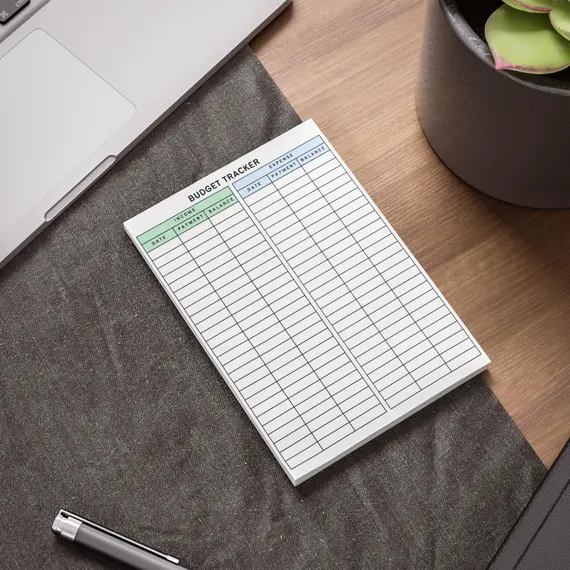
  • How to Budget on a Low Income (A Realistic Plan That Actually Works)

    How to Budget on a Low Income (A Realistic Plan That Actually Works)

    Budgeting on a low income can feel discouraging. When money is tight, it may seem like there’s nothing left to “budget.”

    But budgeting isn’t about having extra money — it’s about controlling the money you do have.

    Even with a small income, you can create structure, reduce stress, and slowly build financial stability. This guide will walk you through a realistic, step-by-step plan that actually works.

    Step 1: Focus on the Basics First

    When your income is limited, your priority is survival and stability — not perfection.

    Start by covering your essential expenses:

    • Housing (rent or mortgage)
    • Utilities
    • Groceries
    • Transportation
    • Minimum debt payments

    List these first. These are your non-negotiables.

    If needed, use our guide on building a simple monthly budget to organize everything clearly.

    Step 2: Know Your Exact Take-Home Income

    Clarity reduces anxiety.

    Calculate your exact monthly take-home pay (after taxes). If your income varies, use the lowest recent month as your baseline. This prevents overspending.

    When money is tight, guessing can cause damage. Always work with real numbers.

    Step 3: Cut Variable Expenses Strategically (Not Emotionally)

    When people hear “budget on low income,” they think extreme cuts.

    That’s not sustainable.

    Instead, review:

    • Eating out
    • Subscriptions
    • Impulse purchases
    • Convenience spending

    Choose 1–2 areas to reduce — not everything at once.

    Small consistent changes beat dramatic short-term cuts.

    Step 4: Save Something — Even If It’s $10

    You might think:

    “There’s no way I can save.”

    But saving isn’t about amount. It’s about building the habit.

    Even $10–$25 per month builds:

    • Confidence
    • Emergency cushion
    • Momentum

    Consistency matters more than size.

    Step 5: Use a Simple Structure Like 50/30/20 — Modified

    The traditional 50/30/20 rule may not work perfectly on a low income.

    Instead, adjust it.

    Example:

    • 70% Needs
    • 20% Essentials & flexibility
    • 10% Savings (or as much as possible)

    The key is intentional allocation.

    If you’re new to the 50/30/20 system, you can read the full explanation here.

    Step 6: Increase Income When Possible

    Budgeting alone has limits.

    If you’ve reduced expenses and still feel stuck, consider:

    • Asking for extra hours
    • Freelance or gig work
    • Selling unused items
    • Skill-based side income

    Even an extra $100 per month can create breathing room.

    Common Mistakes When Budgeting on a Low Income

    • Trying to copy high-income budgeting advice
    • Cutting everything and burning out
    • Not tracking expenses
    • Ignoring small leaks

    Keep it simple. Keep it realistic.

    Budgeting on a low income isn’t about restriction — it’s about control.

    You may not be able to change your income overnight, but you can change how you manage it.

    Small, steady improvements lead to stability.

    And stability leads to growth.


    About the Author

    Hi, I’m Akhila. I created Budgeting Made Simple to help beginners build clear, practical money systems without feeling overwhelmed.

    My goal is to simplify budgeting, saving, and debt payoff into steps anyone can follow consistently. Personal finance doesn’t need to be complicated — it just needs structure and clarity.

  • How to Build a Simple Monthly Budget (Step-by-Step Template)

    How to Build a Simple Monthly Budget (Step-by-Step Template)

    Building a monthly budget doesn’t have to be complicated. If you’ve been putting it off because it feels overwhelming, this simple step-by-step template will help you get started.

    In this guide, you’ll learn exactly how to create a realistic monthly budget that fits your income and lifestyle.

    If you’re completely new to budgeting, start with our guide on how to start budgeting when you have no idea where to begin.

    Step 1: Calculate Your Monthly Income

    Start by calculating your total take-home income for the month. This includes your salary after taxes and any additional income sources.

    If your income varies, use the average of your last three months to create a stable estimate.

    Step 2: List Your Fixed Expenses

    Fixed expenses are costs that stay mostly the same every month.

    Examples include:

    • Rent or mortgage
    • Utilities
    • Insurance
    • Loan payments
    • Subscriptions

    Add these together to understand your minimum monthly obligations.

    Step 3: Estimate Variable Expenses

    Variable expenses change from month to month.

    These include:

    • Groceries
    • Gas
    • Dining out
    • Entertainment
    • Personal spending

    Review past bank statements to get realistic numbers rather than guessing.

    Step 4: Set Savings Goals First

    Before spending what remains, decide how much you want to save.

    This may include:

    • Emergency fund contributions
    • Retirement savings
    • Extra debt payments

    Pay yourself first whenever possible.

    You can also use the 50/30/20 budget rule as a simple structure for dividing your income.

    Step 5: Create a Simple Budget Template

    You can organize your budget in a simple format:

    Income
    – Fixed Expenses
    – Variable Expenses
    – Savings
    = Remaining Balance

    A spreadsheet or even a notebook works perfectly. The goal is clarity, not perfection.

    Example Monthly Budget

    Income: $4,000

    Rent: $1,400
    Utilities: $250
    Groceries: $500
    Transportation: $300
    Insurance: $200
    Savings: $600
    Personal spending: $400
    Other expenses: $350

    Step 6: Track and Adjust Weekly

    Your first monthly budget will not be perfect, and that’s normal.

    Review your spending weekly and make small adjustments. Over time, budgeting becomes easier and more accurate.

    Building a simple monthly budget is about understanding your money, not restricting it.

    Start small, stay consistent, and refine your system each month. Financial confidence comes from clarity and action.


    About the Author

    Hi, I’m Akhila. I created Budgeting Made Simple to help beginners build clear, practical money systems without feeling overwhelmed.

    My goal is to simplify budgeting, saving, and debt payoff into steps anyone can follow consistently. Personal finance doesn’t need to be complicated — it just needs structure and clarity.

  • The 50/30/20 Budget Rule Explained (With a Real Life Example)

    The 50/30/20 Budget Rule Explained (With a Real Life Example)

    New to budgeting? Start with this beginner guide first.

    The 50/30/20 rule is one of the easiest systems to use if you want a simple structure that actually works.

    It gives you a clear structure for how to divide your income without tracking every single dollar. In this guide, we’ll break it down in simple terms and walk through a real-life example.

    What Is the 50/30/20 Rule?

    The 50/30/20 rule divides your after-tax income into three main categories:

    50% for Needs
    30% for Wants
    20% for Savings

    Instead of micromanaging every expense, this method focuses on balance. It ensures your essentials are covered, you enjoy your money, and you still build financial security.

    50% – Needs

    Needs are essential expenses you must pay to live and work. These include:

    • Rent or mortgage
    • Utilities
    • Groceries
    • Insurance
    • Minimum debt payments
    • Transportation

    If your needs exceed 50%, it may signal that your fixed expenses are too high for your income level.

    30% – Wants

    Wants are non-essential expenses that improve your lifestyle but aren’t required for survival.

    Examples include:

    • Dining out
    • Streaming services
    • Shopping
    • Travel
    • Hobbies

    This category gives you permission to enjoy your money without guilt, as long as you stay within the limit.

    20% – Savings

    The final 20% goes toward building your future. This includes:

    • Emergency fund
    • Retirement contributions
    • Extra debt payments
    • Investments

    If possible, automate this portion so it moves into savings before you have a chance to spend it.

    Real-Life Example

    Let’s say your monthly take-home income is $4,000.

    50% Needs → $2,000
    30% Wants → $1,200
    20% Savings → $800

    Using this structure, you can quickly see whether your current spending aligns with your financial goals.

    Is the 50/30/20 Rule Right for You?

    The 50/30/20 rule works best for beginners who want structure without complexity.

    However, if you have high debt or live in a high-cost area, you may need to adjust the percentages. The key is balance, not perfection.

    Conclusion

    The 50/30/20 budget rule is a simple framework that helps you manage money with clarity.

    You don’t need complicated spreadsheets or advanced financial knowledge to start. What matters most is consistency.

    If you want to create a full budget using this rule, read How to Build a Simple Monthly Budget.


    About the Author

    Hi, I’m Akhila. I created Budgeting Made Simple to help beginners build clear, practical money systems without feeling overwhelmed.

    My goal is to simplify budgeting, saving, and debt payoff into steps anyone can follow consistently. Personal finance doesn’t need to be complicated — it just needs structure and clarity.

  • How to Start Budgeting When You Have No Idea Where to Begin

    How to Start Budgeting When You Have No Idea Where to Begin

    If you’ve ever felt overwhelmed by budgeting, you’re not alone. Many people want to take control of their money but don’t know where to start. The good news? Budgeting doesn’t have to be complicated.

    In this guide, I’ll walk you through simple, practical steps to help you start budgeting today — even if you’ve never done it before.

    Step 1: Understand Where Your Money Is Going

    Before you can create a budget, you need to know your current spending habits. Review your last 1–2 months of bank statements and categorize your expenses — rent, groceries, subscriptions, dining out, etc.

    Step 2: List Your Income and Fixed Expenses

    Write down your monthly income and all fixed expenses like rent, utilities, insurance, and loan payments. This gives you a clear picture of what must be paid every month.

    If you want a structured breakdown, check out my guide on building a simple monthly budget step-by-step.

    Step 3: Create Simple Spending Categories

    Divide your remaining money into simple categories such as groceries, transportation, savings, and personal spending. Keep it realistic — the goal is progress, not perfection.

    Step 4: Start Small and Adjust

    Your first budget doesn’t need to be perfect. Track your spending for 30 days and adjust as needed. Budgeting is a habit that improves over time.

    Ready to take control of your money? Start budgeting today and build a system that works for your real life.

    More Beginner Budgeting Guides

    If you’re learning how to manage your money, these beginner budgeting guides can help:


    About the Author

    Hi, I’m Akhila. I created Budgeting Made Simple to help beginners build clear, practical money systems without feeling overwhelmed.

    My goal is to simplify budgeting, saving, and debt payoff into steps anyone can follow consistently. Personal finance doesn’t need to be complicated — it just needs structure and clarity.