Category: Budgeting Basics

Budgeting Basics is where beginners can learn simple, practical systems to take control of their money. These guides explain how to start budgeting, build a monthly budget, follow the 50/30/20 rule, and manage money even on a low income.

  • Bill Payment Checklist Printable (Free Template)

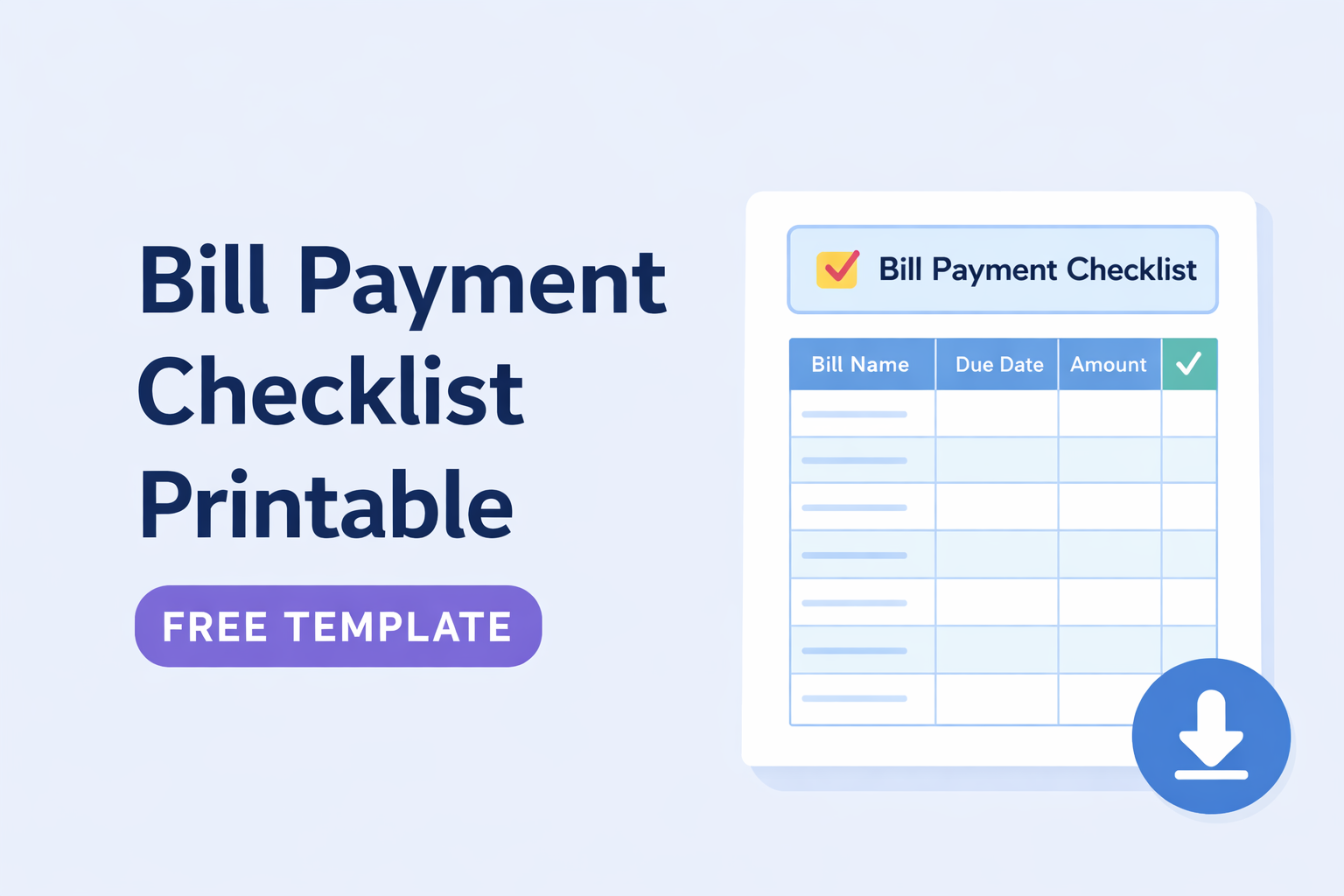
    Bill Payment Checklist Printable (Free Template)

    👉 Download a free bill payment checklist printable to track your bills, due dates, and payments in one place.

    Tired of missing or tracking bills manually?

    Get the full Monthly Money Reset Kit and stay organized every month.

    ✔ Track expenses
    ✔ Stay on top of bills
    ✔ Build a simple monthly system

    👉 Get the Monthly Money Reset Kit

    🔥 Launch price: $5 (limited time)

    🎁 Free Bill Payment Checklist Printable

    Stay organized and never miss a payment.

    👉 Instant download. No sign-up required.

    Looking for a complete budgeting system?

    This free printable is a great start — but if you want everything organized in one place, grab the full Monthly Money Reset Kit.

    👉 Get the complete budget bundle here

    What Is a Bill Payment Checklist?

    A bill payment checklist is a simple tool that helps you keep track of all your monthly bills in one place. It includes important details like bill names, due dates, and payment status so you never miss a payment.

    Whether you’re managing rent, utilities, subscriptions, or credit cards, a checklist makes it easier to stay organized and in control of your finances. If you’re already using a structured system like a monthly budget template, adding a bill checklist can make your process even more effective.

    Why a Bill Payment Checklist Is Important

    Keeping track of your bills is one of the most important parts of managing your money. A bill payment checklist helps you stay on top of your due dates so you can avoid late fees and missed payments.

    It also reduces financial stress because you always know what’s coming up and what’s already been paid. When combined with tools like a budget planner template or an expense tracker printable, it gives you a complete picture of your finances.

    Over time, this simple habit can help you build better financial discipline and stay consistent with your budget.

    Bill Payment Checklist Printable Template

    Use the simple template below to track your monthly bills:

    Bill NameDue DateAmountPaid (✔)Notes
    Rent
    Electricity
    Internet
    Credit Card
    Subscription

    Prefer a printable version? Download the PDF above and use it every month, or pair it with a budget tracker printable to keep everything in one place.

    You can also use an expense tracker printable to monitor your daily spending and stay on budget.

    How to Use a Bill Payment Checklist

    Using a bill payment checklist is simple:

    1. List all your monthly bills
    2. Add the due date for each bill
    3. Fill in the amount owed
    4. Mark each bill as paid once completed
    5. Review your checklist weekly to stay on track

    If you’re managing multiple expenses, combining this with a [bill tracker printable] can help you stay even more organized and consistent.

    Tips for Staying Organized With Your Bills

    Here are a few simple tips to help you stay organized:

    • Set reminders on your phone for due dates
    • Consider setting up automatic payments for fixed bills
    • Keep all your financial documents in one place
    • Review your checklist at the same time each week

    You can also use a savings tracker printable alongside your checklist to make sure you’re not only paying bills, but also building your savings consistently.

    Small habits like these can make a big difference in avoiding missed payments and reducing financial stress.


    Frequently Asked Questions

    What bills should I include in my checklist?
    Include all recurring expenses like rent, utilities, subscriptions, insurance, and credit cards.

    Should I use a printable or digital checklist?
    Both work well — the best option is the one you’ll use consistently.

    How often should I update my checklist?
    At least once a week to make sure everything is up to date and nothing is missed.

    Can this help me stick to a budget?
    Yes. A bill payment checklist works best when used alongside tools like a budget or expense tracker to give you full control over your finances.


    🧩 Want a Complete Budgeting System?

    If you’re trying to fully organize your finances, using multiple printables together works best.

    👉 Want a complete budgeting system?

    Get the Monthly Money Reset Kit here

    👉 Download your free bill checklist printable and start organizing your finances today.


    About the Author

    Hi, I’m Akhila. I created Budgeting Made Simple to help beginners build clear, practical money systems without feeling overwhelmed.

    My goal is to simplify budgeting, saving, and debt payoff into steps anyone can follow consistently. Personal finance doesn’t need to be complicated — it just needs structure and clarity.
  • Savings Tracker Printable (Free Template)

    Savings Tracker Printable (Free Template)

    🎁 Free Budget Starter Kit (3 Printables)

    Stop overspending and finally stay in control of your money.

    Stop stressing about money — this simple system helps you stay in control.

    Get 3 essential printables (budget, expense tracker, bill tracker) to start managing your money today.

    What Is a Savings Tracker

    A savings tracker is a simple tool that helps you monitor how much money you’ve saved toward a specific goal. It allows you to see your progress over time, making it easier to stay motivated and consistent.

    Whether you’re saving for an emergency fund, a vacation, or a large purchase, a savings tracker helps you stay organized and focused on your financial goals.

    Tired of using multiple sheets and still feeling disorganized?
    This printable bundle includes an expense tracker + bill checklist so you can manage everything in one place.
    👉 Get the full bundle for just $5 (launch price)

    Why Tracking Your Savings Is Important

    Tracking your savings is important because it turns a vague goal into a clear plan.

    When you can see how much you’ve already saved and how much is left, it becomes easier to stay motivated. It also helps you build better financial habits by encouraging consistency and accountability, especially when used alongside tools like an expense tracker printable.

    A savings tracker can:

    • Help you stay focused on your goals
    • Make your progress visible
    • Encourage regular saving habits
    • Reduce the chances of overspending

    Savings Tracker Printable Template

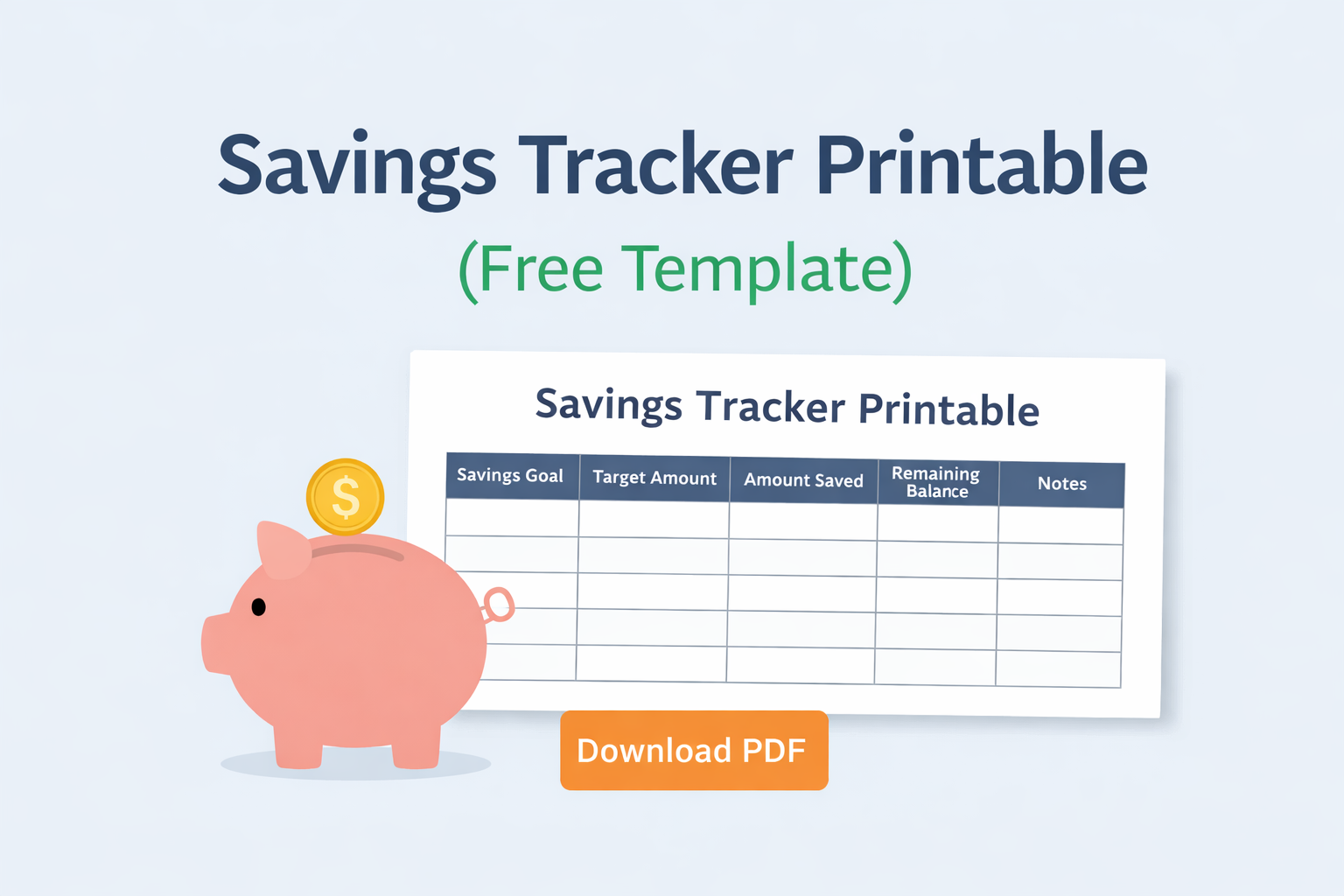
    Use this simple savings tracker printable to track your progress and stay motivated as you work toward your financial goals.

    You can also pair this with a monthly budget template or a budget tracker printable to get a complete view of your finances.

    Savings Tracker Table

    Savings GoalTarget AmountAmount SavedRemaining BalanceNotes

    If you want to organize your entire budget in one place, Instead of using separate sheets, get everything in one place with the full printable bundle here.

    How to Use a Savings Tracker

    Using a savings tracker is simple and only takes a few minutes each week.

    1. Start by writing down your savings goal.
    2. Set a target amount you want to reach.
    3. Each time you save money, update the amount saved.
    4. Subtract the saved amount from your target to see what’s remaining.
    5. Continue updating your tracker regularly to stay on track.

    Tips for Building a Savings Habit

    Building a savings habit doesn’t have to be complicated. Small, consistent actions can lead to big results over time.

    Here are a few simple tips:

    • Start with a small, realistic goal
    • Save a fixed amount each week or month
    • Automate your savings if possible
    • Track your progress regularly
    • Celebrate small milestones along the way


    Frequently Asked Questions

    How often should I update my savings tracker?
    You can update your savings tracker weekly or whenever you add money toward your goal.

    Can I use this for multiple savings goals?
    Yes, you can create separate trackers for different goals or use one tracker for multiple categories.

    Is this suitable for beginners?
    Yes, this savings tracker is designed to be simple and easy to use, even if you’re new to budgeting.


    Related Budget Printables

    To build a complete budgeting system, check out these helpful printables:

    Ready to finally stay consistent with your money?
    The full budget bundle helps you track expenses, bills, and savings all in one place.
    🔥 Get the complete budget system for just $5 (limited launch price)

    👉 Want a complete budgeting system?

    Get the Monthly Money Reset Kit here:
    https://akhilapriya3.gumroad.com/l/irain


    About the Author

    Hi, I’m Akhila. I created Budgeting Made Simple to help beginners build clear, practical money systems without feeling overwhelmed.

    My goal is to simplify budgeting, saving, and debt payoff into steps anyone can follow consistently. Personal finance doesn’t need to be complicated — it just needs structure and clarity.
  • Bill Tracker Printable (Free Template)

    Bill Tracker Printable (Free Template)

    Keeping track of monthly bills can feel overwhelming, especially when you have multiple due dates, different payment amounts, and several accounts to manage. Missing a payment can lead to late fees, stress, and unnecessary financial pressure.

    One simple way to stay organized is by using a bill tracker printable. A bill tracker helps you list all your monthly bills in one place so you can clearly see what needs to be paid and when.

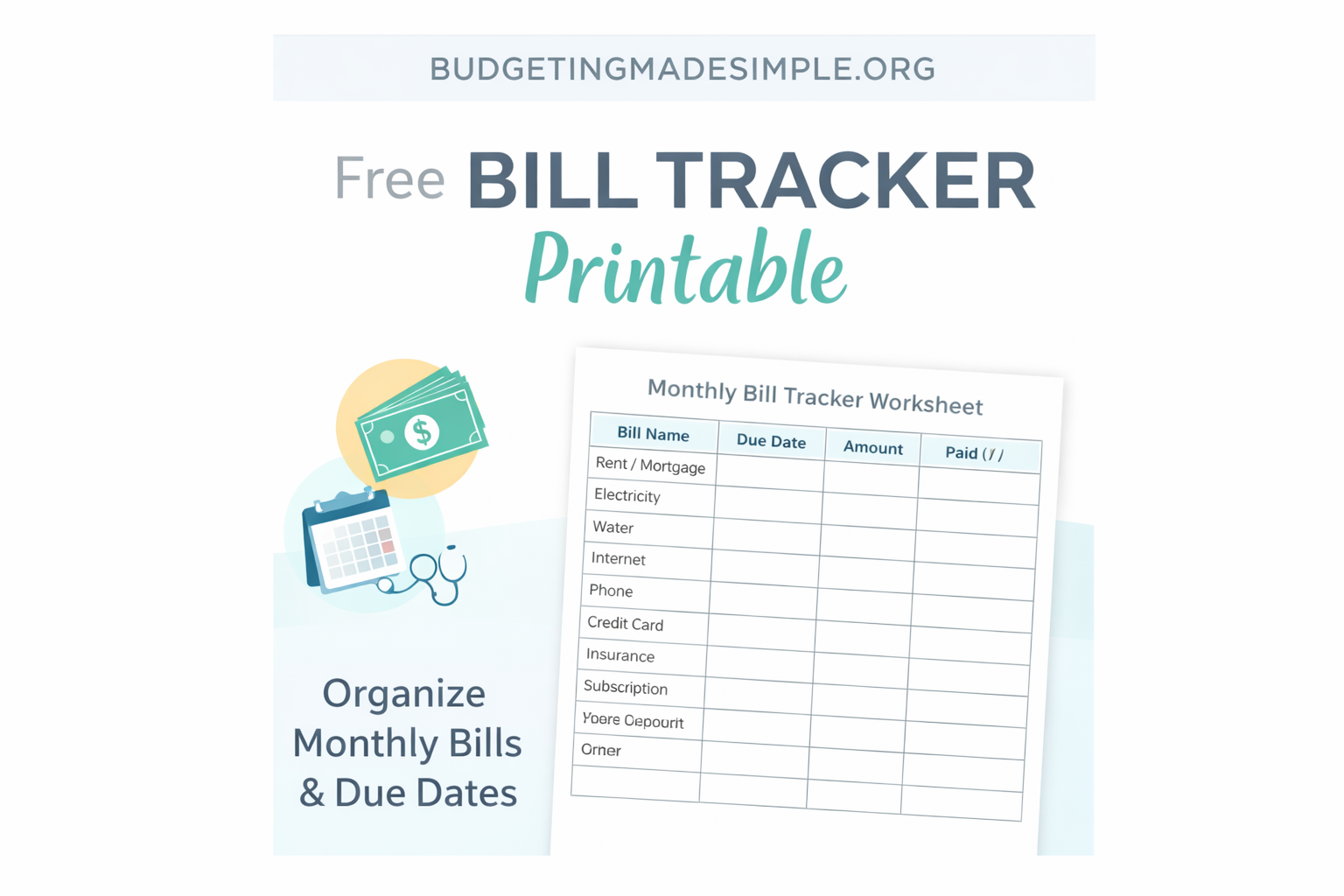
    Below you can download and print a free bill tracker printable to help you organize your bills, stay on top of payments, and keep your finances running smoothly.

    Many people include a bill tracker as part of their budgeting system or keep it inside a budget planner template to stay organized throughout the month.

    What Is a Bill Tracker?

    A bill tracker is a simple worksheet used to organize and monitor your recurring bills each month. Instead of trying to remember every payment, you can write everything down in one place.

    Most bill trackers include spaces for important details such as:

    • Bill name
    • Due date
    • Amount owed
    • Payment status
    • Notes

    Using a bill tracker makes it easier to see which bills are coming up and which ones have already been paid.

    Many people include a bill tracker as part of their budgeting system or keep it inside a budget binder.

    Why Tracking Bills Is Important

    Tracking your bills is an important part of managing your money. When you know exactly what bills are due and when they need to be paid, it becomes much easier to stay in control of your finances.

    Here are a few benefits of using a bill tracker:

    Avoid late fees
    Missing a bill payment can result in late fees and penalties. A bill tracker helps you stay aware of upcoming due dates.

    Stay organized
    Instead of searching through emails or bank statements, you can see all of your bills in one place.

    Improve your budgeting
    When you know your monthly bills, you can plan your budget more accurately.

    Reduce financial stress
    Having a clear system for tracking bills makes managing money feel much less overwhelming.

    If you’re building a complete budgeting system, you can also use a monthly budget template to plan your income, expenses, and savings alongside your bills.

    Bill Tracker Printable Template

    Below is a simple bill tracker worksheet you can print and use to organize your monthly bills.

    You can download or print the bill tracker below and use it each month to keep track of upcoming payments and due dates.

    Monthly Bill Tracker Worksheet

    Bill NameDue DateAmountPaid (✓)Notes
    Rent / Mortgage
    Electricity
    Water
    Internet
    Phone
    Credit Card
    Insurance
    Subscription
    Loan Payment
    Other

    Print this worksheet and write down all of your monthly bills. As you make payments, mark the bill as paid so you can easily track your progress throughout the month.

    Many people keep this printable inside a budgeting binder or planner so they can quickly review their bills at the start of each week.

    How to Use a Bill Tracker

    Using a bill tracker is very straightforward. Once you print the worksheet, follow these simple steps.

    1. List all of your bills
    Write down each monthly bill such as rent, utilities, subscriptions, insurance, or credit card payments.

    2. Record the due dates
    Add the due date for each bill so you know exactly when payments are required.

    3. Write the payment amount
    Include the expected bill amount so you can plan your monthly budget.

    4. Mark bills as paid
    Once a bill is paid, mark it on the tracker so you can see what has already been completed.

    5. Review the tracker weekly
    Checking your bill tracker regularly helps ensure nothing gets missed.

    Many people also track their spending using an expense tracker printable so they can monitor daily spending in addition to monthly bills.

    Tips for Organizing Your Bills

    If you want to make managing bills even easier, here are a few helpful tips.

    Keep bills in one place
    Store your bills, statements, or reminders in a single folder or budgeting binder.

    Set payment reminders
    Calendar reminders or phone alerts can help you remember upcoming due dates.

    Review your bills every week
    A quick weekly check can help you stay ahead of payments.

    Use the tracker with your budget
    Combining a bill tracker with your monthly budget gives you a complete picture of your finances.


    Frequently Asked Questions

    What is a bill tracker?

    A bill tracker is a worksheet used to organize monthly bills, due dates, and payments. It helps you keep track of what bills need to be paid and when.

    How do I keep track of my monthly bills?

    You can track your bills using a printable bill tracker, budgeting apps, calendar reminders, or a budget planner.

    Should I include bills in my budget?

    Yes. Bills are usually fixed monthly expenses, so including them in your budget helps ensure you plan for them every month.


    Related Budget Printables

    You may also find these budgeting tools helpful:

    Monthly Budget Template
    Budget Planner Template
    Expense Tracker Printable
    Budget Tracker Printable

    These printable worksheets can help you organize your finances and stay consistent with your budgeting system.


    About the Author

    Hi, I’m Akhila. I created Budgeting Made Simple to help beginners build clear, practical money systems without feeling overwhelmed.

    My goal is to simplify budgeting, saving, and debt payoff into steps anyone can follow consistently. Personal finance doesn’t need to be complicated — it just needs structure and clarity.
  • Expense Tracker Printable (Free Template)

    Expense Tracker Printable (Free Template)

    🎁 Free Budget Starter Kit

    Stop stressing about money — this simple system helps you stay in control.

    Get 3 essential printables (budget, expense tracker, bill tracker) to start managing your money today.

    👉 Use this free expense tracker printable to track your daily spending and stay on budget.

    Tired of tracking everything separately?

    Get the full Monthly Money Reset Kit and stay consistent with your budget.

    ✔ Track expenses
    ✔ Stay on top of bills
    ✔ Build a simple monthly system

    👉 Get the bundle here

    🔥 Launch price: $5 (limited time)

    You can print the expense tracker worksheet above and start tracking your daily spending immediately. Simply download or print the page and record each expense as it occurs. Many people keep their tracker inside a budget binder so it’s easy to update regularly.

    Many people want to manage their money better, but the first challenge is understanding where their money is actually going.

    An expense tracker is one of the simplest tools you can use to monitor your daily spending and stay on top of your budget. By writing down every expense, you can quickly see patterns in your spending and identify areas where you may want to cut back.

    This expense tracker printable is designed to make tracking your spending easy and organized. You can print the template and record your expenses throughout the week or month.

    🎁 Free Expense Tracker Printable

    Stay on top of your spending and manage your budget easily.

    👉 Instant download. No sign-up required.

    Looking for a complete budgeting system?

    This free printable is a great start — but if you want everything organized in one place, grab the full Monthly Money Reset Kit.

    👉 Get the complete budget bundle here

    What Is an Expense Tracker and How Does It Work?

    An expense tracker is a simple worksheet that helps you record and categorize your spending.

    Instead of trying to remember where your money went at the end of the month, you log each purchase as it happens. This makes it much easier to see how much you’re spending on things like groceries, transportation, entertainment, and other everyday expenses.

    Expense trackers are commonly used alongside a monthly budget template because they give you a clear picture of how closely your spending matches your planned budget.

    Why Tracking Expenses Is Important

    Tracking your spending helps you understand your financial habits.

    When you consistently record your expenses, you can quickly notice patterns that might otherwise go unnoticed. For example, small daily purchases like coffee, takeout, or subscriptions can add up more than expected.

    You can also use a bill payment checklist printable to stay on top of your monthly bills and avoid missed payments.

    An expense tracker helps you:

    • Stay aware of your daily spending
    • Identify unnecessary expenses
    • Stick to your budget more easily
    • Build better financial habits over time

    Many people find that simply tracking their spending naturally encourages them to make more thoughtful financial decisions.

    Free Expense Tracker Printable Template

    Below is a simple expense tracker template you can print and use to record your daily spending.

    The template typically includes sections for:

    • Date
    • Description of the expense
    • Category
    • Amount spent

    Keeping all of this information in one place makes it easier to review your spending at the end of the week or month.

    👉 Prefer a printable version? Download the PDF above and use it daily to track your expenses.

    How to Use an Expense Tracker

    Using an expense tracker is simple.

    1. Write down the date whenever you spend money.
    2. Add a short description of the purchase.
    3. Record the category (for example groceries, transportation, or entertainment).
    4. Write the amount you spent.

    At the end of the week or month, review your tracker and see where most of your money went. This can help you adjust your budget and spending habits moving forward.

    If you already use a simple budget template, an expense tracker can help you compare your planned spending with what you actually spend.

    Tips for Tracking Spending Consistently

    Tracking expenses works best when you do it regularly.

    Here are a few tips that can make the process easier:

    • Record expenses as soon as possible after making a purchase
    • Keep your expense tracker somewhere visible
    • Review your tracker at the end of each week
    • Use categories that match your budget

    Consistency is more important than perfection. Even partial tracking can give you valuable insight into your spending habits.

    Many people also keep their trackers inside a budget planner template or budget binder to stay organized.


    Frequently Asked Questions

    Do I need to track every expense?

    Tracking every expense gives you the most accurate picture of your spending, but even tracking most purchases can still be very helpful.

    How often should I update my expense tracker?

    Many people update their tracker daily or every few days to make sure nothing is forgotten.

    Can I use this with a monthly budget?

    Yes. Expense trackers work very well alongside a monthly budget because they help you compare your planned spending with your actual spending.


    🧩 Want a Complete Budgeting System?

    If you’re trying to fully organize your finances, using multiple printables together works best.

    You can combine:

    👉 Want a complete budgeting system?

    Get the Monthly Money Reset Kit here

    👉 Download your free expense tracker printable and start organizing your finances today.”


    About the Author

    Hi, I’m Akhila. I created Budgeting Made Simple to help beginners build clear, practical money systems without feeling overwhelmed.

    My goal is to simplify budgeting, saving, and debt payoff into steps anyone can follow consistently. Personal finance doesn’t need to be complicated — it just needs structure and clarity.
  • Budget Tracker Printable (Free Template)

    Budget Tracker Printable (Free Template)

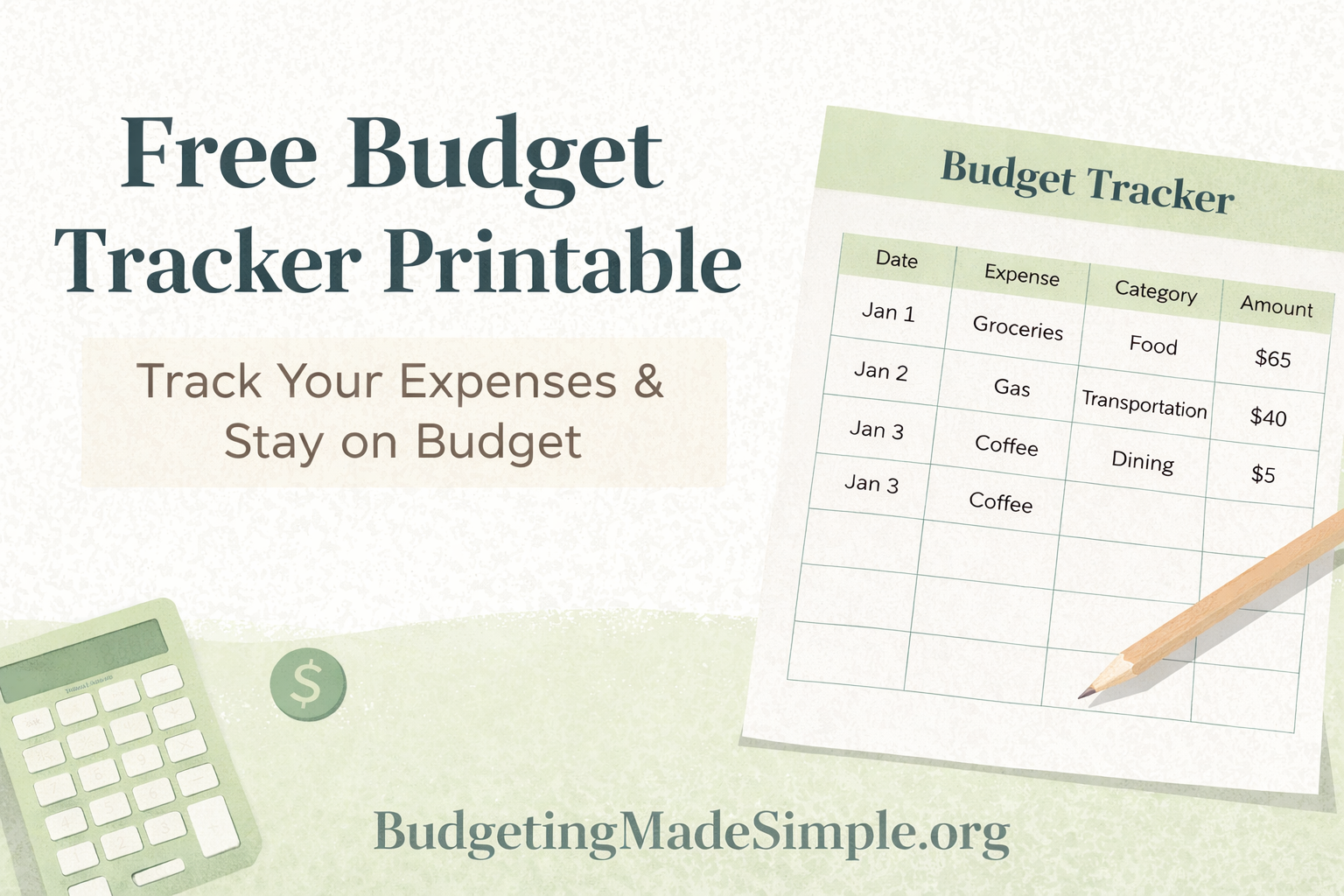
    These budget tracker printables help you record daily expenses, organize spending categories, and stay consistent with your monthly budget.

    A budget tracker printable is one of the simplest tools you can use to understand where your money goes each month. When you track your daily spending, it becomes much easier to stay within your budget and avoid overspending. This free budget tracker printable helps you record expenses, monitor spending habits, and stay consistent with your budgeting plan.

    What Is a Budget Tracker

    A budget tracker is a worksheet that helps you record and monitor your daily expenses. Instead of guessing where your money goes each month, a tracker allows you to write down every purchase you make.

    By tracking your spending regularly, you can clearly see patterns in your financial habits. This makes it easier to adjust your budget and avoid unnecessary expenses.

    Many people combine a budget tracker with a monthly budget plan so they can compare their planned spending with their actual spending.

    Why Tracking Your Spending Matters

    Tracking your spending is one of the most important steps in successful budgeting. When you know exactly where your money goes, you gain better control over your finances.

    Here are a few benefits of using a budget tracker:

    • It helps you identify unnecessary spending
    • It makes it easier to stay within your budget
    • It shows where you can save more money
    • It helps you stay accountable with your financial goals

    Many beginners struggle with budgeting because they do not track their expenses consistently. A simple printable tracker makes the process much easier.

    How a Budget Tracker Works

    A budget tracker works by recording each expense you make throughout the month. Every time you spend money, you simply write down the details.

    Most budget trackers include columns for:

    • Date
    • Description of the purchase
    • Category
    • Amount spent

    At the end of the month, you can review your tracker to see how much you spent in each category. This helps you adjust your budget for the following month.

    Budget Tracker Printable Template

    Download or print this free budget tracker printable and use it to record your daily expenses and stay consistent with your monthly budget.

    Below is a simple budget tracker printable you can use to record your daily expenses.

    Example layout:

    DateExpenseCategoryAmount
    Jan 1GroceriesFood$65
    Jan 2GasTransportation$40
    Jan 3CoffeeDining$5

    You can print this worksheet and keep it inside your budget binder or planner. Writing down your spending regularly will help you stay aware of your financial habits.

    How to Use a Budget Tracker

    Using a budget tracker is simple and only takes a few minutes each day.

    Step 1
    Write down every expense you make during the day.

    Step 2
    Add the category for each expense, such as food, transportation, or entertainment.

    Step 3
    Record the amount you spent.

    Step 4
    Review your spending at the end of each week to see where your money is going.

    Many people also combine a tracker with a monthly budget template to make sure their spending stays within planned limits.

    If you prefer reviewing your spending more frequently, you can also use a weekly budget template to track expenses and adjust your budget each week.

    Tips for Tracking Expenses Consistently

    The biggest challenge with tracking expenses is consistency. The simpler you make the process, the easier it becomes to maintain the habit.

    Here are a few tips that can help:

    • Track your expenses at the same time every day
    • Keep your budget tracker in a visible place
    • Review your spending weekly
    • Combine your tracker with a full budgeting plan

    If you are just getting started with budgeting, you may also find it helpful to use a simple budget template or a budget planner template to organize your finances.


    Frequently Asked Questions

    What is a budget tracker printable?

    A budget tracker printable is a worksheet designed to help you record and monitor your daily expenses. It allows you to track spending habits and stay within your budget.

    How often should I track my expenses?

    Most people find it easiest to track expenses daily. Recording purchases regularly prevents you from forgetting transactions.

    Can a budget tracker help me save money?

    Yes. A budget tracker helps you identify spending patterns and areas where you may be overspending. When you consistently record your expenses, it becomes easier to adjust your budget and save more money over time.


    About the Author

    Hi, I’m Akhila. I created Budgeting Made Simple to help beginners build clear, practical money systems without feeling overwhelmed.

    My goal is to simplify budgeting, saving, and debt payoff into steps anyone can follow consistently. Personal finance doesn’t need to be complicated — it just needs structure and clarity.
  • Budget Binder Printables (Free Templates)

    Budget Binder Printables (Free Templates)

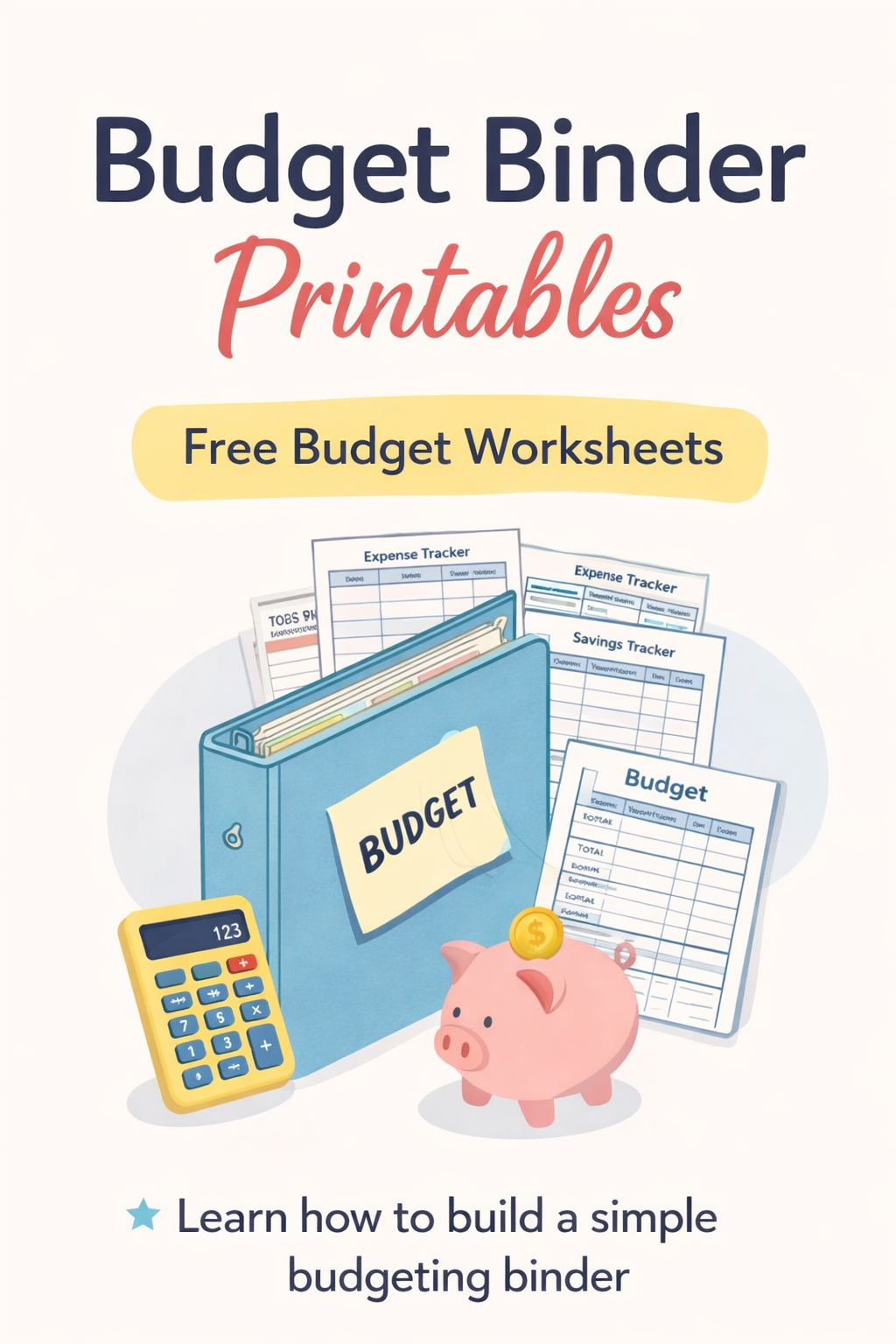
    These budget binder printables and printable budget binder pages help you organize income, expenses, bills, and savings using simple budgeting worksheets.

    Budgeting becomes much easier when everything is organized in one place.

    A budget binder is a simple system that allows you to keep all your budgeting worksheets, expense trackers, and financial plans together in a single binder.

    Instead of switching between apps or spreadsheets, many people prefer printable budgeting pages that they can fill out by hand.

    Budget binder printables help you stay organized, track your money clearly, and build better financial habits over time.

    In this guide, you’ll learn:

    • What a budget binder is
    • Why people use budget binders
    • What pages should go inside a budget binder
    • Free budget binder printables you can use

    What Is a Budget Binder?

    A budget binder is a physical binder that holds your budgeting worksheets and financial tracking pages.

    Most people print budgeting pages and organize them into sections so they can easily track their income, expenses, savings, and bills.

    A typical budget binder may include pages like:

    • monthly budget sheets
    • expense trackers
    • bill payment trackers
    • savings trackers
    • debt payoff trackers

    Keeping these pages together helps you clearly see where your money is going each month.

    For beginners, a budget binder provides a simple and structured way to manage finances.

    Why People Use Budget Binders

    Budget binders have become popular because they make budgeting more visual and organized.

    Here are a few reasons people prefer using printable budgeting pages.

    Everything is organized

    All your financial planning pages stay in one place instead of being scattered across apps or notebooks.

    Helps build consistency

    Writing down your income and expenses regularly makes it easier to stay aware of your spending habits.

    Simple and flexible

    You can customize your binder by adding or removing pages depending on your needs.

    No apps required

    Some people prefer paper budgeting instead of using budgeting apps or spreadsheets.

    Budget Binder Pages You Should Include

    Most budget binders include several important budgeting worksheets.

    These pages help track different areas of your finances.

    Common pages include:

    • Monthly budget template
    • Weekly spending tracker
    • Expense tracker
    • Bill payment tracker
    • Savings tracker
    • Debt payoff tracker

    You can start with just a few basic pages and add more as your budgeting system grows.

    Free Budget Binder Printables

    These budget binder printables and printable budget binder pages help you organize income, expenses, bills, and savings in one simple budgeting system.

    Below are several budgeting worksheets you can print and include in your budget binder.

    Monthly Budget Template

    Track your total income and expenses for the entire month.

    Weekly Budget Template

    A weekly budgeting sheet helps you monitor spending more frequently and stay on track.

    Simple Budget Template

    A minimal budgeting worksheet designed for beginners.

    Budget Planner Template

    A structured budgeting worksheet that helps organize income, expenses, and remaining balance.

    You can print these budgeting worksheets and organize them inside a binder to create your own simple budget system.

    How to Create a Budget Binder

    Building a budget binder only takes a few simple steps.

    Step 1: Choose a binder

    Any standard 3-ring binder works well.

    You can also add dividers to separate different budgeting sections.

    Step 2: Print your budgeting pages

    Print the budgeting worksheets you want to include in your binder.

    Start with the most important pages like a monthly budget and expense tracker.

    Step 3: Organize sections

    Create sections for different financial areas such as:

    • Income
    • Expenses
    • Bills
    • Savings

    This makes it easier to find and update your pages.

    Step 4: Update your budget regularly

    Spend a few minutes each week reviewing your expenses and updating your budget pages.

    Consistency is the key to successful budgeting.

    Tips for Staying Organized

    Here are a few simple tips to make your budget binder more effective.

    Keep your system simple

    Too many pages can make budgeting feel overwhelming.

    Update your budget weekly

    Checking your budget regularly helps prevent overspending.

    Track every expense

    Even small purchases can add up quickly over time.

    Review your budget each month

    At the end of the month, review your spending and make adjustments for the next month.


    Frequently Asked Questions

    What is a budget binder?
    A budget binder is a physical binder that contains printable budgeting worksheets used to track income, expenses, savings, and bills.

    How do you organize a budget binder?
    Most people organize their binder into sections such as income, expenses, bills, and savings using printed budgeting pages.

    Are budget binder printables free?
    Many budgeting blogs offer free printable budgeting worksheets that can be downloaded and used to build a budget binder.


    About the Author

    Hi, I’m Akhila. I created Budgeting Made Simple to help beginners build clear, practical money systems without feeling overwhelmed.

    My goal is to simplify budgeting, saving, and debt payoff into steps anyone can follow consistently. Personal finance doesn’t need to be complicated — it just needs structure and clarity.
  • Budget Planner Template (Printable)

    Budget Planner Template (Printable)

    Budgeting is one of the most effective ways to take control of your money, but many people struggle because they don’t have a clear system to track their income and expenses.

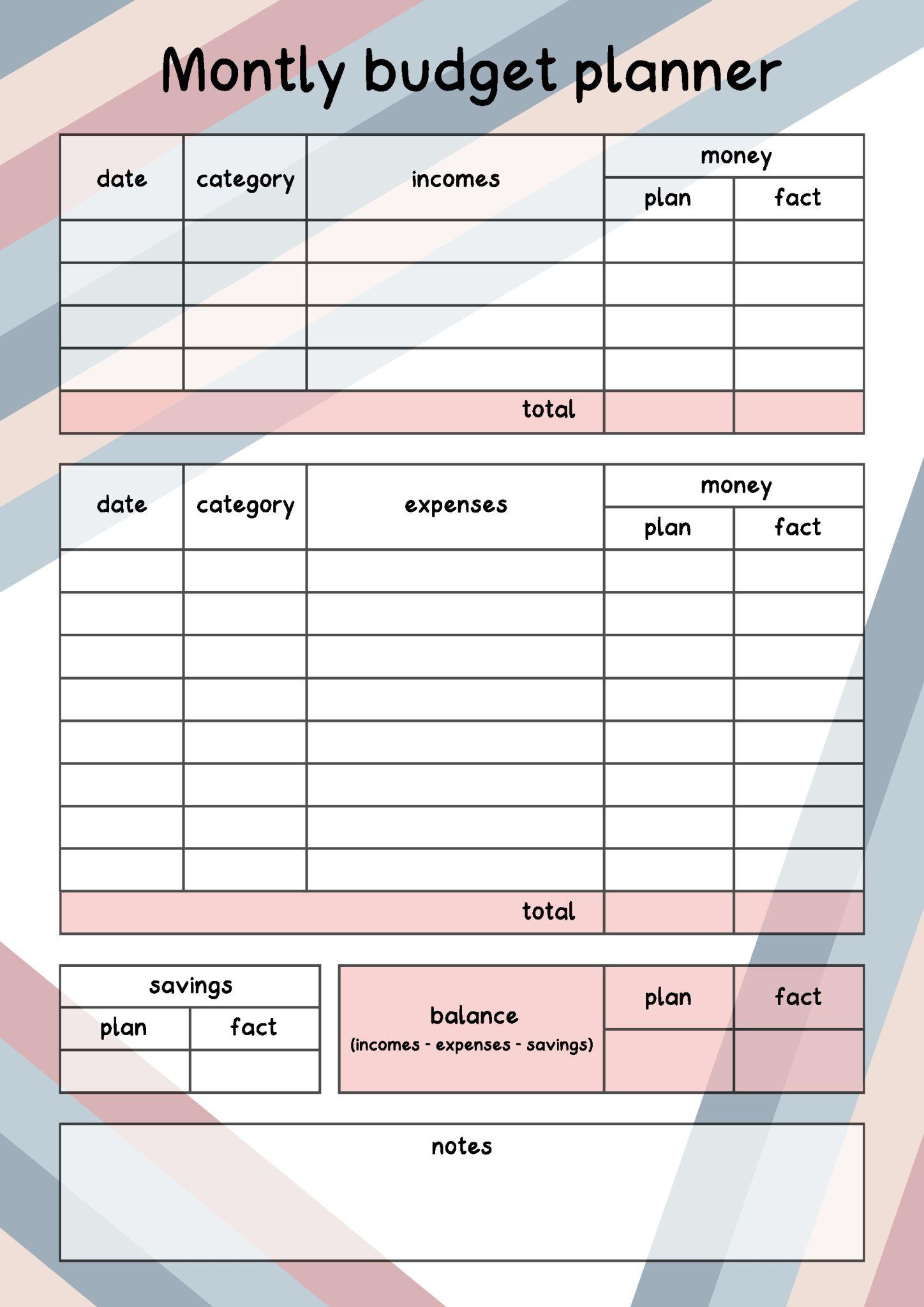
    A budget planner template makes the process much easier. Instead of trying to remember where your money goes each month, a simple planner helps you organize your income, bills, and spending in one place.

    If you’re completely new to budgeting, it helps to first understand the basics explained in our Budgeting for Beginners: The Complete Guide, which walks through the core principles of building a budget.

    In this guide, you’ll learn what a budget planner template is, why it works so well for beginners, and how to use one to manage your money more effectively.

    What Is a Budget Planner Template?

    A budget planner template is a simple tool used to track income and expenses over a specific period of time, usually monthly.

    It helps you organize:

    • income from salary or side work
    • fixed expenses like rent and utilities
    • variable spending like groceries and entertainment
    • savings and financial goals

    Instead of guessing where your money is going, a planner gives you a clear picture of your finances so you can make better decisions.

    Many beginners prefer printable budget planners because they are easy to use and require no apps or complicated software.

    If you prefer a simpler layout, you can also use our Simple Budget Template, which focuses on the most essential income and expense categories.

    Why Using a Budget Planner Helps

    A budget planner provides structure and clarity when managing money.

    Here are a few reasons why it works so well.

    1. It shows where your money goes

    When you track your spending, you can quickly see which categories take up most of your income.

    2. It helps prevent overspending

    Planning your expenses ahead of time makes it easier to avoid spending more than you earn.

    3. It supports financial goals

    Whether you want to save money, pay off debt, or build an emergency fund, a planner helps you allocate money toward those goals.

    4. It builds better financial habits

    Consistently tracking your budget encourages more mindful spending decisions.

    Example of a Simple Budget Plan

    Here is an example of what a simple monthly budget might look like.

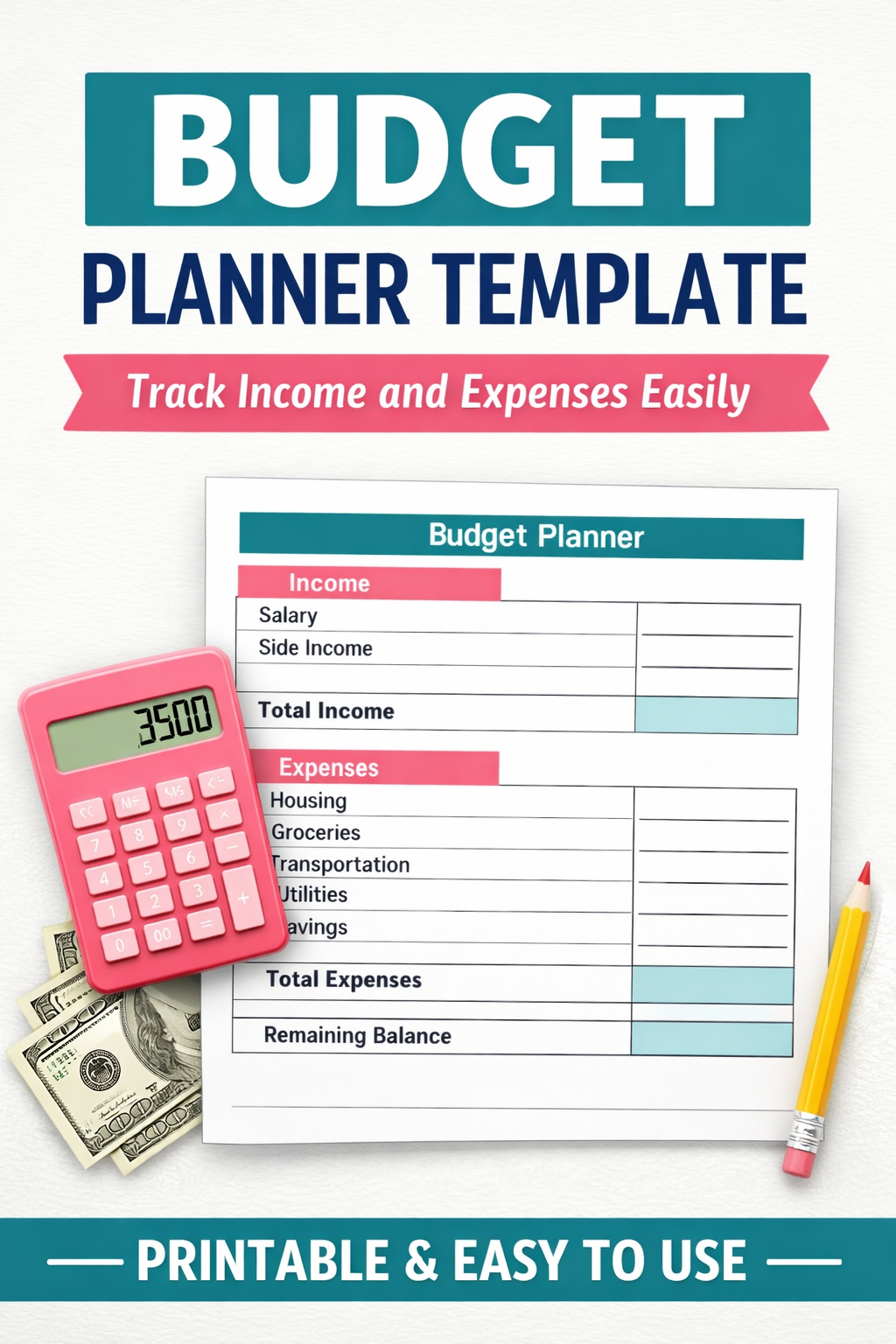
    Income: $3,500

    Expenses:

    • Rent: $1,200
    • Groceries: $400
    • Transportation: $200
    • Utilities: $150
    • Insurance: $150
    • Entertainment: $200
    • Savings: $300

    Total expenses = $2,600

    Remaining balance = $900

    This remaining balance can be used for additional savings, investments, or extra debt payments.

    If you prefer tracking expenses throughout the entire month, you may find our Monthly Budget Template helpful because it provides more space for tracking multiple spending categories.

    Printable Budget Planner Template

    You can use the simple planner below to organize your monthly finances.

    CategoryAmount
    Income
    Salary
    Side Income
    Other Income
    Total Income
    Expenses
    Housing
    Groceries
    Utilities
    Transportation
    Insurance
    Entertainment
    Savings
    Other Expenses
    Total Expenses
    Remaining Balance

    You can print this template and fill it out by hand each month, or recreate it in a spreadsheet if you prefer a digital budget planner.

    How to Use a Budget Planner

    Follow these simple steps when filling out your planner.

    Step 1: List your income

    Write down all sources of income including salary, side income, and any other payments you receive.

    Step 2: Add fixed expenses

    Start with fixed bills such as rent, utilities, insurance, and loan payments.

    Step 3: Estimate variable spending

    Include categories like groceries, transportation, and entertainment.

    Step 4: Calculate totals

    Add up your total income and total expenses.

    Step 5: Review your remaining balance

    If expenses are higher than income, adjust spending categories until your budget balances.

    Tips for Staying Consistent With Budgeting

    Budgeting works best when it becomes a regular habit. Here are a few tips to stay consistent.

    • Review your budget weekly
    • Track spending throughout the month
    • Adjust categories when necessary
    • Keep your planner simple and easy to update

    Even small improvements in spending habits can make a big difference over time.

    Using printable tools like a budget planner template, simple budget template, or monthly budget worksheet can make budgeting much easier for beginners.


    About the Author

    Hi, I’m Akhila. I created Budgeting Made Simple to help beginners build clear, practical money systems without feeling overwhelmed.

    My goal is to simplify budgeting, saving, and debt payoff into steps anyone can follow consistently. Personal finance doesn’t need to be complicated — it just needs structure and clarity.
  • Simple Budget Template (Printable)

    Simple Budget Template (Printable)

    If budgeting feels overwhelming, you are not alone. Many people avoid budgeting because they think it has to be complicated or time-consuming. If you’re completely new to budgeting, start with our Budgeting for Beginners Guide.

    The truth is that the best budgets are often the simplest ones.

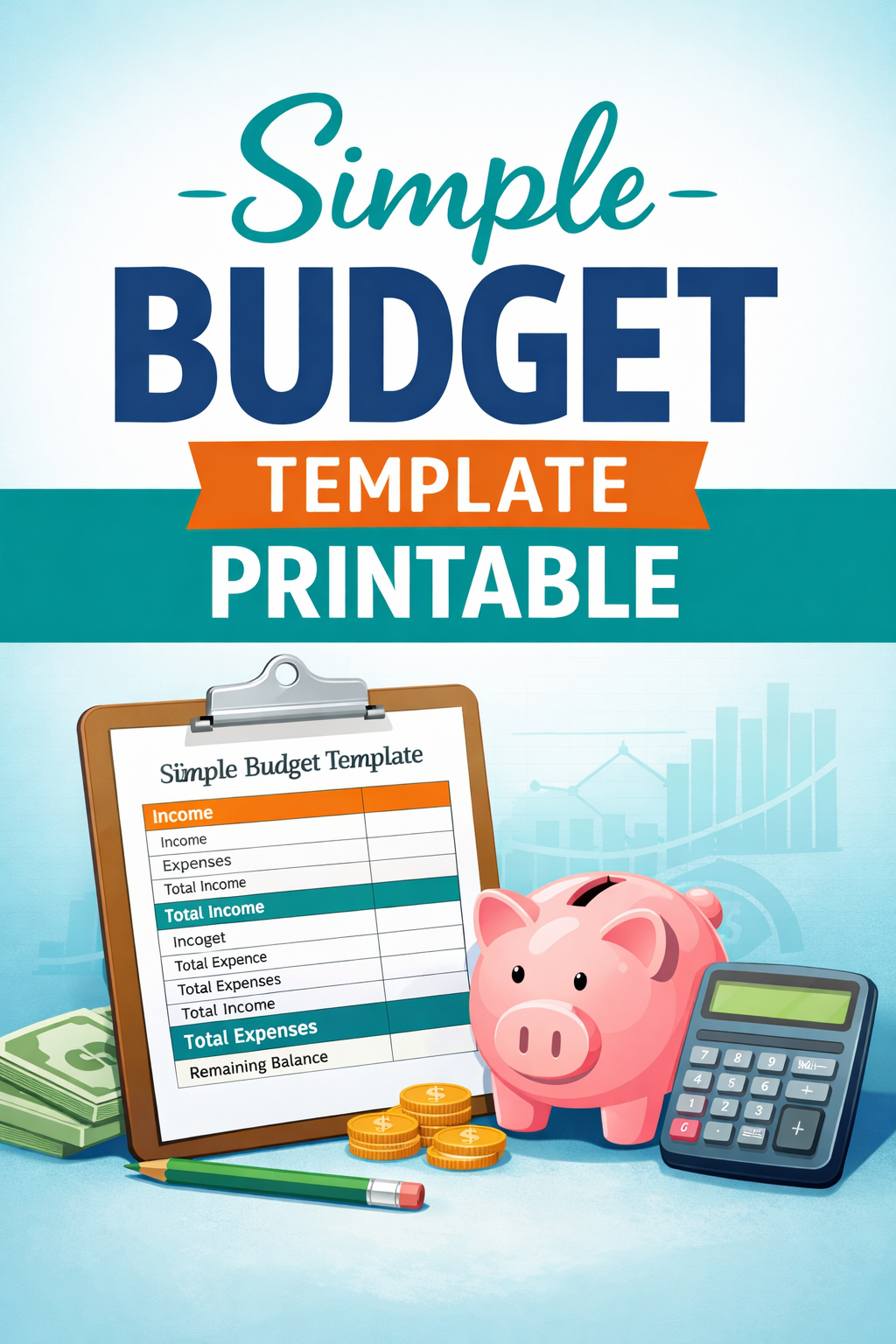
    A simple budget template helps you clearly see how much money you earn, how much you spend, and how much you have left at the end of the month.

    Instead of tracking dozens of categories or using complex spreadsheets, a simple budget focuses on the basics so you can stay consistent and in control of your money.

    In this guide, you will learn what a simple budget template is, why simple budgets work so well, and how to use one to manage your money more effectively.

    What Is a Simple Budget Template?

    A simple budget template is a basic structure used to track your income and expenses.

    It usually includes only a few essential sections such as:

    • Income
    • Fixed expenses
    • Variable expenses
    • Total expenses
    • Remaining balance

    This makes budgeting much easier, especially if you are just getting started.

    Instead of trying to track every small detail, a simple template helps you focus on the most important numbers in your budget.

    Why Simple Budgets Work Best

    Many people start budgeting with complicated spreadsheets and dozens of categories. Unfortunately, complex budgets often become difficult to maintain.

    A simple budget works better because it is easier to stick with over time.

    Here are a few reasons simple budgets are effective:

    Easy to maintain

    Simple budgets require less time and effort to update.

    Less overwhelming

    Fewer categories make it easier to understand where your money goes.

    Easier to stay consistent

    The simpler the system, the more likely you are to use it every month.

    Consistency is far more important than perfection when it comes to budgeting.

    Simple Budget Example

    Imagine your monthly finances look like this:

    Monthly income: $3,000

    Expenses:

    Rent: $1,200
    Groceries: $350
    Utilities: $200
    Transportation: $150
    Insurance: $150
    Entertainment: $100
    Other expenses: $250

    Total expenses: $2,400

    Remaining balance: $600

    This remaining amount can be used for:

    • savings
    • emergency funds
    • paying off debt
    • investments

    A simple budget makes it easy to see how much money you have available after covering essential expenses.

    Simple Budget Template

    You can use a simple table like this to track your budget.

    CategoryAmount
    Income
    Salary / Paycheck
    Other Income
    Total Income
    Expenses
    Housing
    Utilities
    Groceries
    Transportation
    Insurance
    Entertainment
    Other Expenses
    Total Expenses
    Remaining Balance

    This simple budget template is designed to help beginners track income and expenses without complicated spreadsheets.

    You can print this simple budget template and use it to track your monthly income and expenses on paper.

    How to Use a Simple Budget Template (Step-by-Step)

    Using a simple budget template only takes a few steps.

    Step 1: Write down your monthly income

    Include your salary and any other income sources.

    Step 2: List your main expenses

    Focus on your biggest spending categories.

    Step 3: Calculate total expenses

    Add up all your monthly expenses.

    Step 4: Subtract expenses from income

    This will show how much money you have left.

    Step 5: Adjust if necessary

    If expenses are higher than income, look for areas where you can reduce spending.

    Tips for Keeping a Simple Budget

    Here are a few tips that can help you stay consistent with your budget.

    Review your budget each month

    Your expenses may change, so it is helpful to update your budget regularly.

    Avoid overcomplicating your system

    Stick to a few key categories so your budget remains easy to maintain.

    Track your spending

    Even a simple budget works best when you monitor your spending throughout the month.

    Focus on progress

    Budgeting is about improving your financial habits over time.

    Related Budgeting Guides

    If you want to continue improving your budgeting skills, these guides may help:

    Monthly Budget Template (Printable)
    Biweekly Budget Template (Printable)
    How to Build a Simple Monthly Budget


    About the Author

    Hi, I’m Akhila. I created Budgeting Made Simple to help beginners build clear, practical money systems without feeling overwhelmed.

    My goal is to simplify budgeting, saving, and debt payoff into steps anyone can follow consistently. Personal finance doesn’t need to be complicated — it just needs structure and clarity.
  • Biweekly Budget Template (Printable)

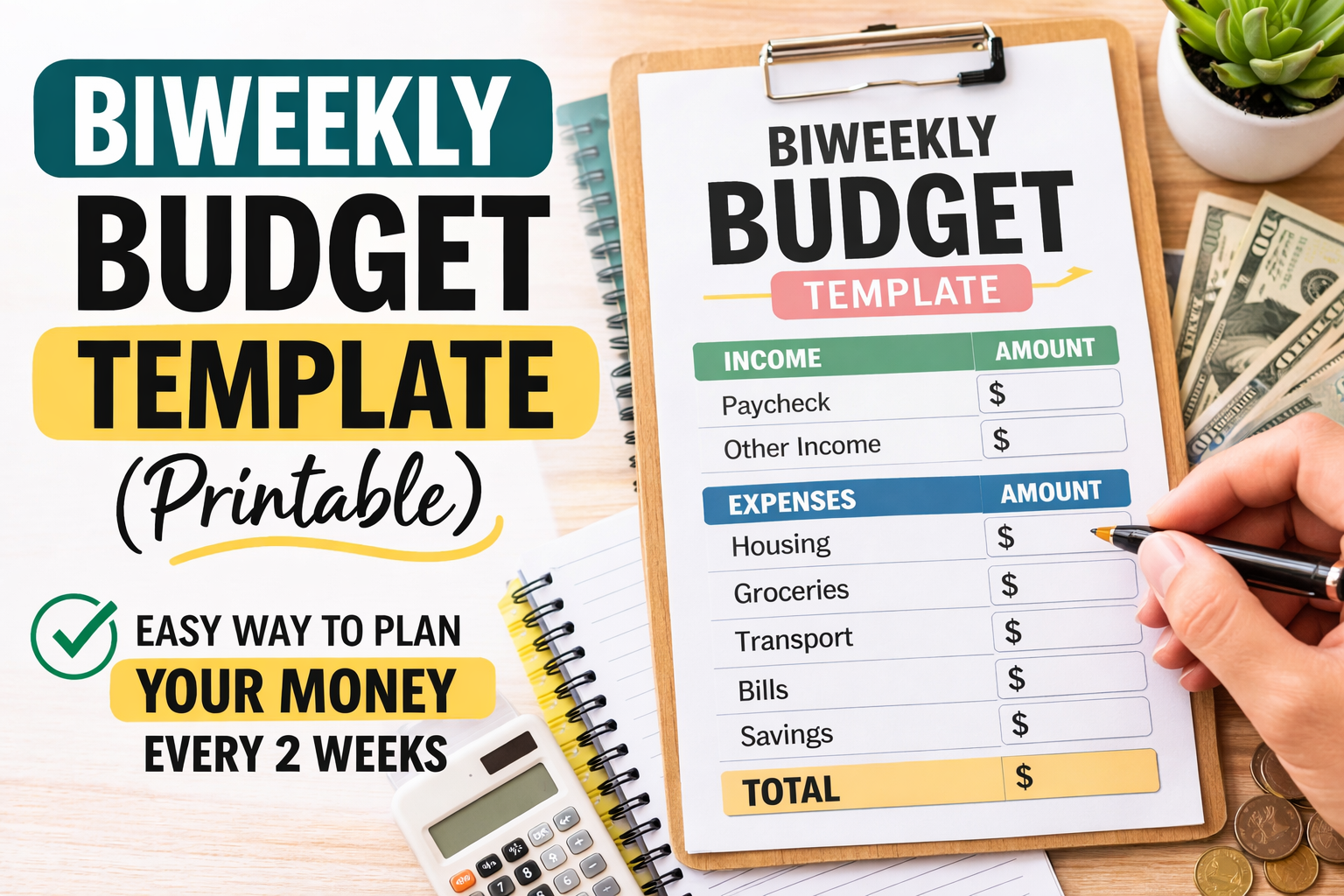
    Biweekly Budget Template (Printable)

    If you get paid every two weeks, a biweekly budget can make managing your money much easier.

    Many people struggle with monthly budgets because their paychecks arrive every two weeks instead of once a month. A biweekly budget helps you match your spending plan with the way your income actually comes in.

    In this guide, you’ll learn how a biweekly budget works, how to use a simple template, and how to organize your expenses so you always know where your money is going.

    You’ll also find a simple biweekly budget template you can use to start budgeting right away.

    Why a Biweekly Budget Helps

    A biweekly budget is helpful because it aligns your spending plan with your paycheck schedule.

    Instead of trying to stretch one monthly budget across several paychecks, a biweekly budget breaks your money into smaller, easier-to-manage periods.

    Benefits of a biweekly budget include:

    • Better control over spending
    • Easier bill planning
    • Less stress between paychecks
    • Clearer tracking of income and expenses

    Many people find that budgeting every two weeks feels more realistic than budgeting once per month.

    What a Biweekly Budget Template Includes

    A simple biweekly budget template includes three main sections: income, expenses, and remaining balance.

    Income
    List all income you expect during the two-week period.

    Examples:
    • Paycheck
    • Side income
    • Freelance work

    Expenses
    Next, list your planned expenses for those two weeks.

    Common categories include:

    • Housing
    • Groceries
    • Transportation
    • Utilities
    • Subscriptions
    • Savings
    • Debt payments

    Remaining Balance
    After subtracting your expenses from your income, you’ll see how much money you have left.

    Simple Biweekly Budget Example

    Here is a simple example of a biweekly budget.

    Income
    Paycheck: $2,000

    Expenses
    Rent: $800
    Groceries: $200
    Transportation: $120
    Utilities: $150
    Subscriptions: $50
    Savings: $300

    Total Expenses: $1,620

    Remaining Balance: $380

    This remaining amount can be used for extra savings, unexpected expenses, or personal spending.

    Biweekly Budget Template

    Use the simple template below to plan your own biweekly budget.

    CategoryAmount
    Income
    Paycheck$_____
    Other Income$_____
    Total Income$_____
    Expenses
    Housing$_____
    Groceries$_____
    Transportation$_____
    Utilities$_____
    Subscriptions$_____
    Debt Payments$_____
    Savings$_____
    Other$_____
    Total Expenses$_____
    Remaining Balance$_____

    Tip: Print this template or copy it into a spreadsheet to track your biweekly budget.

    How to Use This Biweekly Budget Template

    Using a biweekly budget template is simple.

    Step 1
    Write down your expected income for the two-week period.

    Step 2
    List your fixed expenses such as rent, utilities, and subscriptions.

    Step 3
    Add variable expenses like groceries and transportation.

    Step 4
    Subtract your total expenses from your income to see how much money remains.

    If your expenses are higher than your income, adjust your spending categories until your budget balances.

    Tips for Budgeting with Biweekly Paychecks

    Budgeting with biweekly paychecks becomes easier with a few simple strategies.

    First, plan your major bills around your paycheck schedule whenever possible.

    Second, build a small buffer in your bank account so unexpected expenses don’t disrupt your budget.

    Finally, review your budget every two weeks so you can adjust your spending as needed.

    Consistently reviewing your budget helps you stay in control of your finances.

    If you want to learn more about creating a full budget plan, check out these helpful guides:

    How to Build a Simple Monthly Budget
    Free Monthly Budget Template
    Weekly Budget Template


    About the Author

    Hi, I’m Akhila. I created Budgeting Made Simple to help beginners build clear, practical money systems without feeling overwhelmed.

    My goal is to simplify budgeting, saving, and debt payoff into steps anyone can follow consistently. Personal finance doesn’t need to be complicated — it just needs structure and clarity.

  • Weekly Budget Template (Printable)

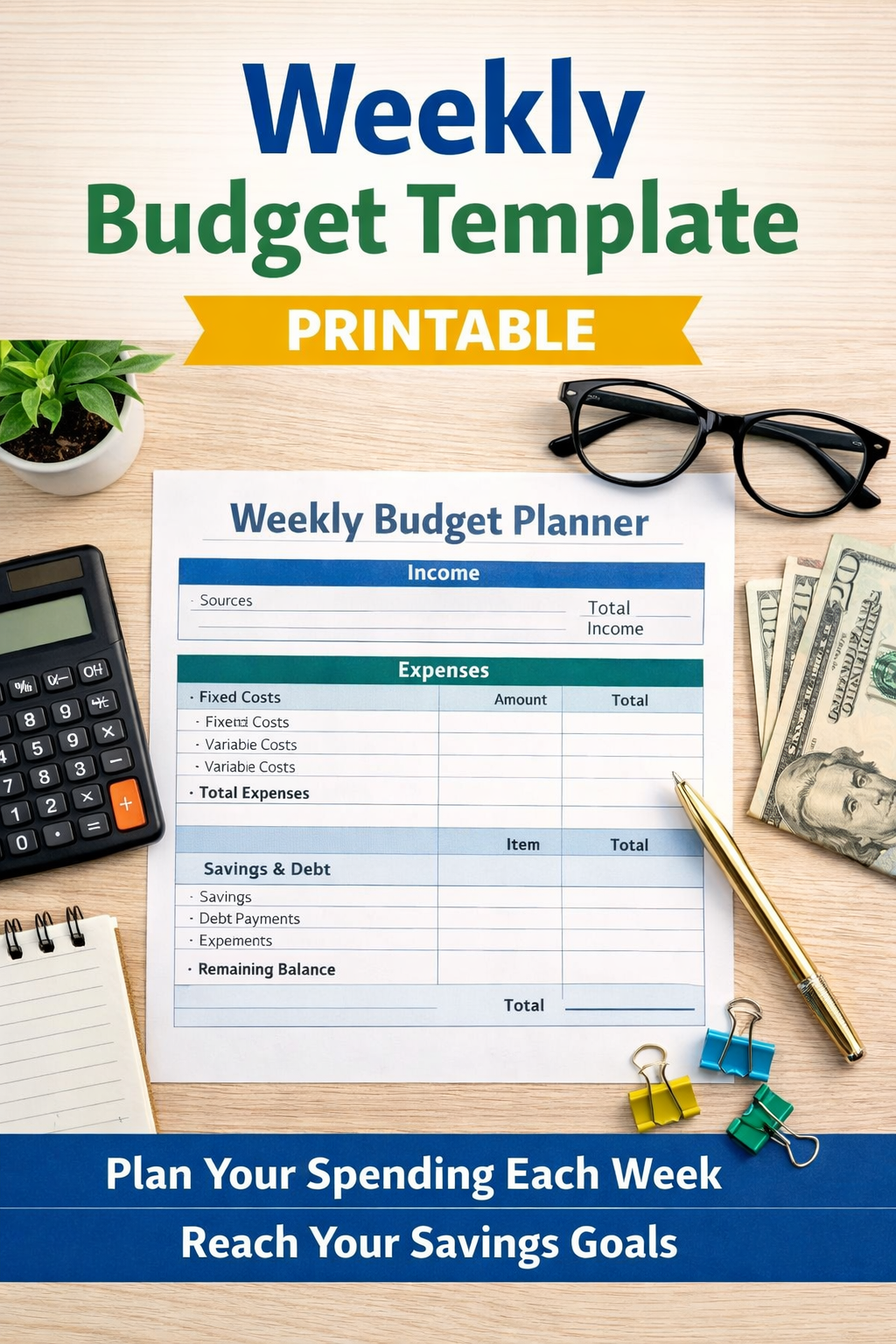
    Weekly Budget Template (Printable)

    In this guide, you will learn how a weekly budget works, what to include in a weekly budget template, and how to use one to stay on track with your finances. If you prefer planning for a longer period, you can also try using a monthly budget template to organize your finances.

    Many people struggle with budgeting because they only review their finances once a month. By using a weekly budget, you can stay more aware of your spending habits and make better financial decisions.

    Why a Weekly Budget Helps

    A weekly budget breaks your finances into smaller and easier sections. Instead of waiting until the end of the month to see where your money went, you review your spending every week.

    This approach can help you:
    • catch overspending early
    • stay focused on short-term financial goals
    • reduce financial stress
    • improve spending awareness

    Weekly budgeting is especially helpful if you receive weekly paychecks, have variable income, or find it difficult to stick to a monthly budget.

    What a Weekly Budget Template Includes

    A simple weekly budget template usually includes the following sections:

    Income
    List any income you receive during the week such as paychecks, side income, or freelance work.

    Fixed expenses
    These are expenses that stay the same each week or occur regularly, such as transportation costs, groceries, or subscriptions.

    Variable expenses
    These include spending that changes from week to week like dining out, entertainment, or personal spending.

    Savings and debt payments
    A good budget template should also include space to track savings contributions and debt payments.

    Simple Weekly Budget Example

    Here is a simple example of how a weekly budget might look:

    Weekly Income: $800

    Expenses
    Groceries: $120
    Transportation: $60
    Dining Out: $40
    Subscriptions: $15
    Miscellaneous: $50

    Savings: $100
    Debt Payments: $75

    Remaining Balance: $340

    This example shows how organizing spending by week can make budgeting feel more manageable.

    How to Use a Weekly Budget Template

    Using a weekly budget template is simple.

    Step 1: Write down your expected income for the week.

    Step 2: List your regular weekly expenses.

    Step 3: Allocate money for savings and debt payments.

    Step 4: Track your spending during the week.

    Step 5: Review your budget at the end of the week and make adjustments if needed.

    Repeating this process each week helps you build better financial habits and stay consistent with your budgeting goals.

    If you are new to budgeting, learning how to build a simple monthly budget can also help you understand the bigger picture of your finances.

    Tips for Staying on Track Weekly

    Here are a few simple tips that can make weekly budgeting easier:

    Review your budget at the same time each week.

    Use realistic spending estimates instead of overly strict limits.

    Track your expenses daily to avoid surprises.

    Adjust your budget when necessary instead of abandoning it.

    Consistency is more important than perfection when it comes to budgeting.

    A weekly budget template can make managing money feel much more manageable. By reviewing your finances every week, you gain better control over your spending and can make adjustments before problems grow larger.

    Whether you are new to budgeting or trying to improve your financial habits, using a weekly budget template is a simple step that can make a big difference.

    If you are just getting started, reading a complete guide to budgeting for beginners can help you build a strong financial foundation.


    About the Author

    Hi, I’m Akhila. I created Budgeting Made Simple to help beginners build clear, practical money systems without feeling overwhelmed.

    My goal is to simplify budgeting, saving, and debt payoff into steps anyone can follow consistently. Personal finance doesn’t need to be complicated — it just needs structure and clarity.