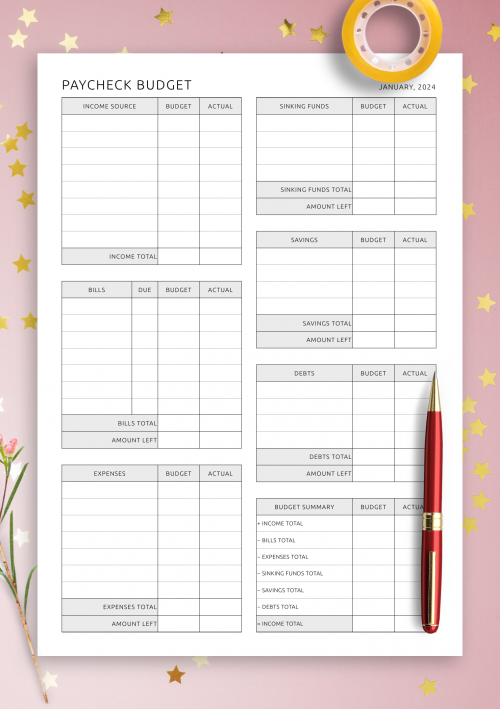
One of the biggest reasons people struggle with budgeting is they don’t know what categories to include. A budget categories list makes it much easier to organize your spending.
If your budget is too vague, it’s hard to see where your money is actually going.
The good news is that budgeting categories don’t need to be complicated. In fact, the simpler your system is, the easier it becomes to stick with your budget long term.
In this guide, you’ll learn the most important budget categories, how to organize them, and how to build a budget that actually works for real life.
If you’re new to budgeting, start with my guide on how to start budgeting when you have no idea where to begin.
Why Budget Categories Matter
Budget categories help organize your money so you know exactly where your income is going each month.
Without categories, budgeting becomes confusing and difficult to manage.
Categories help you:
• Track spending
• Identify problem areas
• Control overspending
• Plan for future expenses
The 5 Core Budget Categories
Most budgets can be organized into five main groups.
Housing
Housing is usually the largest expense in most budgets.
Examples include:
• Rent or mortgage
• Property taxes
• Utilities
• Maintenance
• Home insurance
Transportation
Transportation covers the cost of getting around.
Examples include:
• Car payment
• Gas
• Car insurance
• Maintenance
• Public transportation
Food
Food expenses often include:
• Groceries
• Dining out
Tracking these separately helps control spending.
Personal Spending
This includes lifestyle spending like:
• Entertainment
• Shopping
• Hobbies
• Subscriptions
Savings and Debt
This category improves your financial future.
Examples include:
• Emergency fund
• Retirement contributions
• Debt payments
• Investments
You can also use the 50/30/20 budget rule to balance spending and saving.
Optional Budget Categories
Some budgets also include:
• Childcare
• Medical expenses
• Travel
• Education
• Gifts and holidays
Your categories should reflect your real life.
How Many Budget Categories Should You Have?
Many beginners make the mistake of creating too many categories.
Too much detail makes budgeting harder.
A good beginner rule is:
10–15 categories total.
Example Budget Category Breakdown
A simple example:
- Housing
- Transportation
- Groceries
- Dining Out
- Utilities
- Insurance
- Personal Spending
- Subscriptions
- Savings
- Debt Payments
Keep Your Budget Simple
The best budget is the one you can actually follow.
Start simple, track your spending, and adjust categories as your financial situation changes.
If you’re still building your budget, read how to build a simple monthly budget.
About the Author
Hi, I’m Akhila. I created Budgeting Made Simple to help beginners build clear, practical money systems without feeling overwhelmed.
My goal is to simplify budgeting, saving, and debt payoff into steps anyone can follow consistently. Personal finance doesn’t need to be complicated — it just needs structure and clarity.
Leave a Reply