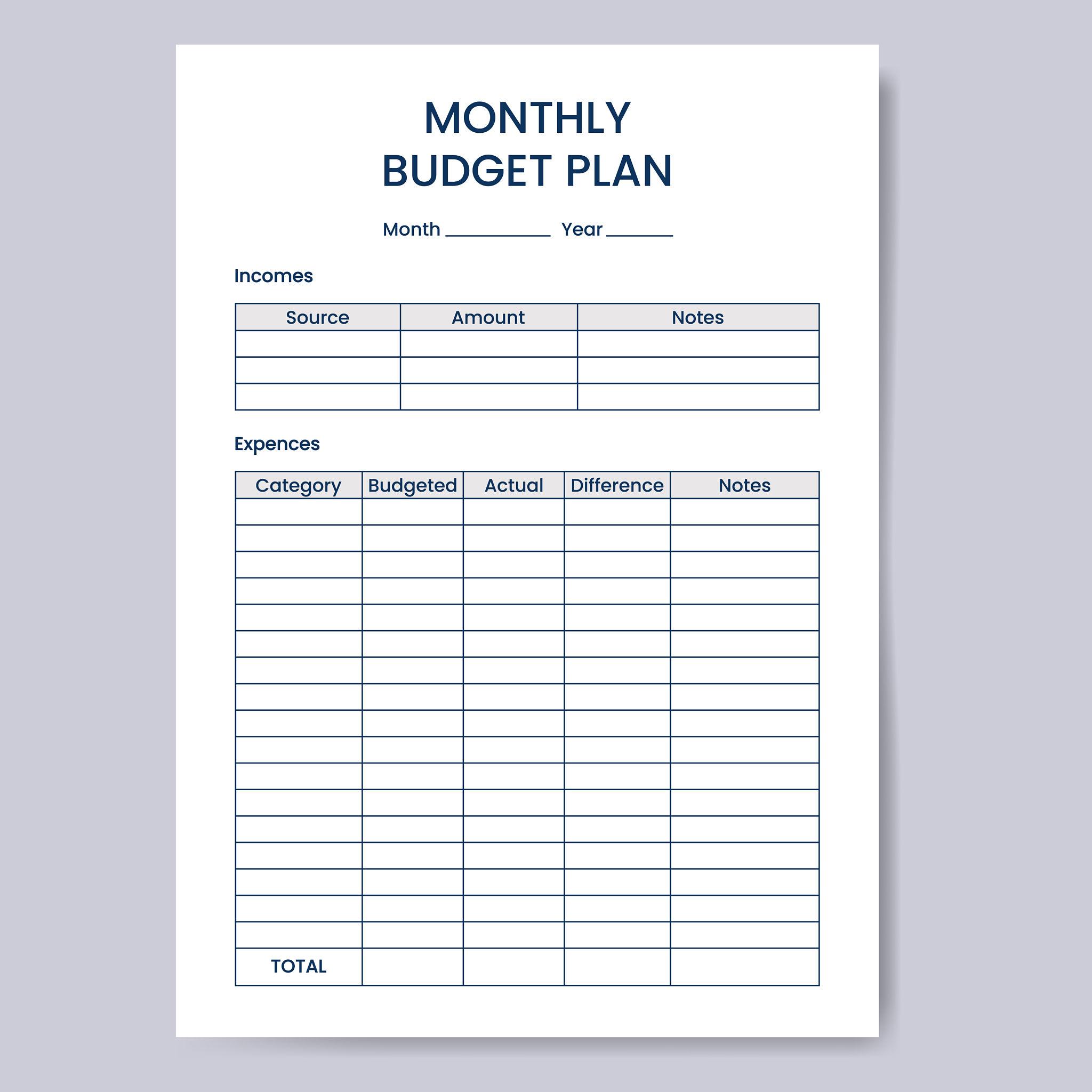
Zero-based budgeting is one of the simplest and most effective budgeting methods for taking control of your money.
Unlike traditional budgeting, where money may sit unassigned, a zero-based budget gives every dollar a job. This means every dollar of income is planned before the month begins.
By the end of the budgeting process, your income minus expenses equals zero. That doesn’t mean you spend everything—it means every dollar is assigned to spending, saving, or investing.
For beginners who want to take control of their finances, zero-based budgeting can be a powerful and practical system.
What Is Zero-Based Budgeting and How Does It Work?
A zero-based budget means your income minus your spending, saving, and giving equals zero.
Income − Expenses − Savings − Giving = $0
This doesn’t mean you spend all your money. It simply means every dollar of income is assigned a specific purpose.
Zero-based budgeting is a budgeting method where every dollar of income is assigned to a specific category until the remaining balance equals zero.
For example, if you earn $3,000 per month, you allocate that entire $3,000 across different categories such as:
• Housing
• Groceries
• Transportation
• Savings
• Debt payments
• Personal spending
The goal is simple: every dollar has a purpose.
This approach helps eliminate unnecessary spending and ensures that important priorities like saving and debt repayment are not forgotten.
If you’re just starting your budgeting journey, you may also want to read How to Start Budgeting When You Have No Idea Where to Begin to learn the basics first.
How Zero-Based Budgeting Works
The process is straightforward and can be done using a spreadsheet, budgeting app, or even a simple notebook.
Step 1: Calculate your total monthly income.
Include all sources of income such as salary, side income, or freelance work.
Step 2: List all of your monthly expenses.
This includes fixed expenses like rent and utilities as well as variable expenses such as groceries and entertainment.
Step 3: Assign every dollar to a category.
Continue allocating money to each expense category until your income minus expenses equals zero.
Step 4: Track your spending throughout the month.
Tracking helps you stay within the limits you set for each category.
If you’re unsure how to organize categories, check out Budget Categories List: The Simple Way to Organize Your Budget.
Zero-Based Budgeting Example
Here is a simple example of how a zero-based budget might look.
Monthly income: $3,000
Housing: $1,200
Groceries: $350
Transportation: $200
Utilities: $250
Insurance: $150
Savings: $400
Entertainment: $200
Miscellaneous: $250
Total expenses: $3,000
Every dollar has been assigned a purpose, so the remaining balance is zero.
In a zero-based budget, total income minus total expenses equals zero.
This structure helps you clearly see where your money is going each month.
Benefits of Zero-Based Budgeting
Zero-based budgeting has several advantages for beginners. According to research from the Consumer Financial Protection Bureau, creating a budget helps households better manage spending and avoid financial stress.
First, it gives you complete control over your money. Instead of wondering where your income went, you decide in advance where it should go.
Second, it encourages intentional spending. When every dollar has a job, unnecessary expenses become easier to spot and eliminate.
Third, it helps prioritize financial goals. Savings, investments, and debt repayment can be planned from the start instead of being an afterthought.
Many people combine this method with simple budgeting rules like the 50/30/20 budget rule, which you can learn about in The 50/30/20 Budget Rule Explained (With a Real Life Example).
How Beginners Can Start a Zero-Based Budget
If you’re new to budgeting, you don’t need complicated tools to get started.
Begin by writing down your monthly income and listing your main expenses.
Next, divide your income across categories such as housing, food, transportation, savings, and personal spending.
Your goal is to assign every dollar until the remaining balance reaches zero.
Over time, you can adjust your categories as you learn more about your spending habits.
Consistency is more important than perfection when building a budgeting habit.
Zero-based budgeting is a powerful method for anyone who wants to take control of their finances.
By assigning every dollar a purpose, you can build better financial habits, reduce unnecessary spending, and make steady progress toward your financial goals.
Even if you’re completely new to budgeting, this method provides a clear and simple framework for managing your money.
If you’re new to budgeting, start with How to Build a Simple Monthly Budget to learn the basics of creating a monthly plan.
About the Author
Hi, I’m Akhila. I created Budgeting Made Simple to help beginners build clear, practical money systems without feeling overwhelmed.
My goal is to simplify budgeting, saving, and debt payoff into steps anyone can follow consistently. Personal finance doesn’t need to be complicated — it just needs structure and clarity.
Leave a Reply